


Choosing new kitchen cabinets is one of the most significant decisions you’ll make during a home renovation. As a major focal point, your cabinetry sets the tone for the entire space, influencing both style and functionality.
One of the first choices you’ll face is the finish. When comparing stained vs. painted cabinets, how do you know which is right for you?
This decision impacts more than just the color of your kitchen.
It affects the overall aesthetic, maintenance, cost, and even the long-term durability of your investment. Both finishes offer unique advantages, and the right choice often comes down to your personal style, budget, and lifestyle.
Learn how to make the right choice below so you can install an amazing cabinet set ASAP.
Stunning Stained Cabinets
Stained cabinets involve applying a semi-translucent pigment that soaks into the wood, enhancing its natural grain and texture.
Rather than covering the wood’s surface, the stain accentuates its inherent beauty, allowing the unique patterns and character of the wood to shine through. This makes it an excellent choice for high-quality woods like oak, cherry, maple, and hickory.
Benefits of Stained Cabinets
- Highlights Natural Beauty: The primary appeal of staining is its ability to showcase the rich texture and grain of the wood. It adds depth and warmth, creating a classic, organic look that can range from rustic to traditional.
- Durability and Concealment: Stains penetrate the wood fibers, making them highly durable and less susceptible to chipping. They are also excellent at hiding minor scratches, scuffs, and dirt, which makes them a practical option for busy households.
- Easier Touch-Ups: If a stained cabinet does get a scratch, it’s typically easier to touch up than a painted one. A bit of matching stain can blend seamlessly into the existing finish, making repairs less noticeable.
Bold Painted Cabinets
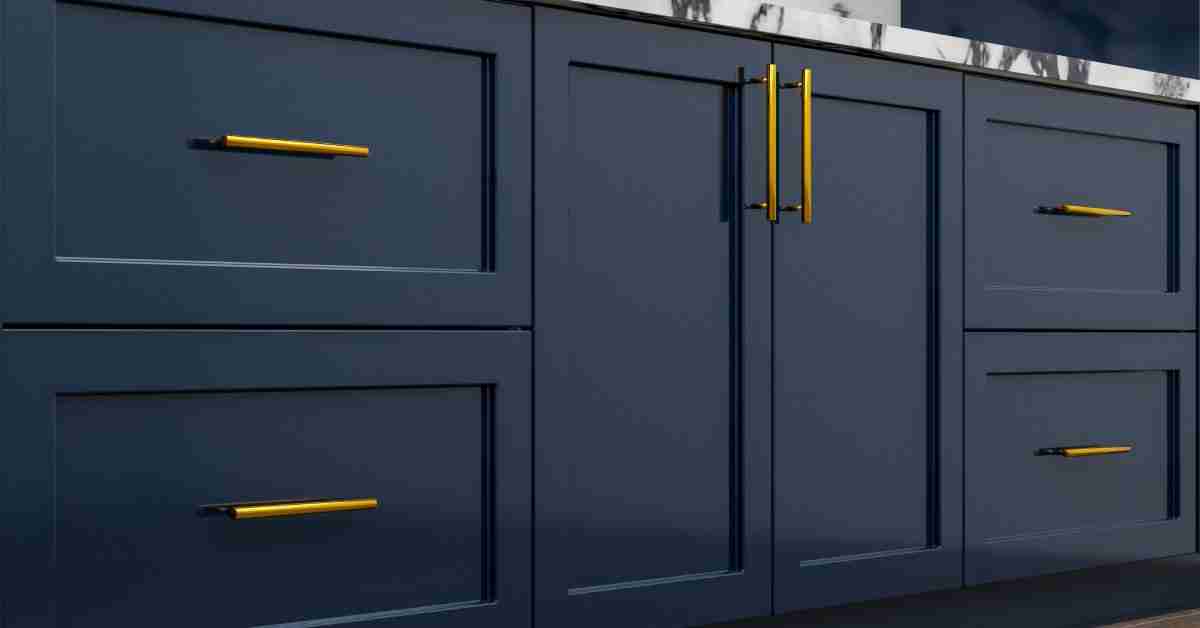
Painted cabinets are neatly coated with an opaque layer of pigmented lacquer, which completely covers the wood grain.
This process provides a smooth, uniform finish and offers a limitless spectrum of color possibilities. From crisp whites and soft grays to bold blues and greens, paint allows for complete customization to match any design vision.
Benefits of Painted Cabinets
- Unlimited Color Options: Paint provides endless creative freedom. You can select a color that perfectly complements your countertops, backsplash, and overall decor, achieving a truly personalized look.
- Clean and Modern Aesthetic: A painted finish offers a sleek, consistent surface that is widely associated with modern, transitional, and farmhouse styles. It can make a kitchen feel brighter and more contemporary.
- Works on Various Materials: While staining is best for solid wood, paint can be easily applied to a broader range of materials, including MDF (Medium-Density Fiberboard), which can be a more budget-friendly option.
Appearance and Aesthetics
The most immediate difference between stained and painted cabinets is their visual impact.
Stained cabinets offer a traditional, warm, and natural look. The visibility of the wood grain lends a sense of authenticity and texture that many homeowners find appealing.
The final appearance can vary significantly depending on the wood species and the darkness of the stain, creating looks that range from light and airy to dark and dramatic.
The Painted Aesthetic
Painted cabinets provide a clean, uniform, and polished finish.
They create a solid block of color, which can be creatively used to make a bold statement or create a subtle, cohesive backdrop. White painted cabinets, for example, are incredibly popular for their ability to make a kitchen feel larger and brighter.
Durability and Maintenance
Both finishes are durable, but they have different strengths and weaknesses when it comes to wear and tear.
Stained cabinets are generally better at hiding everyday dirt and minor imperfections. Because the stain is absorbed by the wood, it doesn’t chip the way paint can.
However, the finish can fade over time, especially if exposed to direct sunlight. Cleaning is straightforward, usually requiring just a soft cloth and a gentle wood cleaner.
Painted cabinets, while durable, are more susceptible to chipping and cracking, especially around joints where the wood naturally expands and contracts.
Scrapes and scratches on a painted surface are also more noticeable.
Touch-ups can be tricky, as it’s typically difficult to match the exact color and sheen of the original paint job. Regular cleaning is necessary, as smudges and dirt can be more visible on a solid-colored surface, particularly lighter shades.
Best Uses and Applications
Determining whether stained or painted cabinets are right for you requires focusing on the applications in which each one excels.
The ideal choice primarily depends on the style you want to achieve and the type of wood you’re working with.
Choose stained cabinets if:
- You love the natural beauty of wood and want to make it a central feature of your design.
- You are designing a traditional, rustic, or craftsman-style kitchen.
- Your household is very active, and you need a finish that is forgiving of minor wear and tear.
- You are working with high-quality wood like cherry, oak, or walnut.
Choose painted cabinets if:
- You want a specific color to match your design palette.
- You are aiming for a clean, modern, or farmhouse aesthetic.
- You want to brighten up a dark kitchen space.
- You are using MDF or a less expensive wood that doesn’t have an attractive grain.
Installation and Renovation
The process of installing or refinishing cabinets varies between the two options.
For new installations, the process is straightforward for both. However, if you are refinishing existing cabinets, the prep work is crucial.
To switch from a stained to a painted finish, you must thoroughly sand and prime the wood to ensure the paint adheres properly
Going from painted to stained is much more difficult, as all traces of paint must be fully stripped away to allow the stain to penetrate the wood evenly. This can be a very labor-intensive and challenging DIY project, but it’s achievable for those willing to put in the work.
Finding Your Perfect Finish
Ultimately, the choice between stained and painted cabinets is a personal one. There is no single “better” option; there is only the option that is better for you.
Consider what matters most in your kitchen.
If you crave a custom color and a sleek, contemporary look, painted cabinets might be the perfect fit. On the other hand, if you value the timeless beauty of natural wood and need a durable finish for a busy family, stained cabinets could be your ideal choice.
By weighing the aesthetics, durability, cost, and maintenance of each, you can select a finish that looks beautiful and stands up to the demands of your daily life.
Take control of your kitchen design now. You can talk to a professional kitchen remodeling company today that will help you bring your interior design ideas to life.

