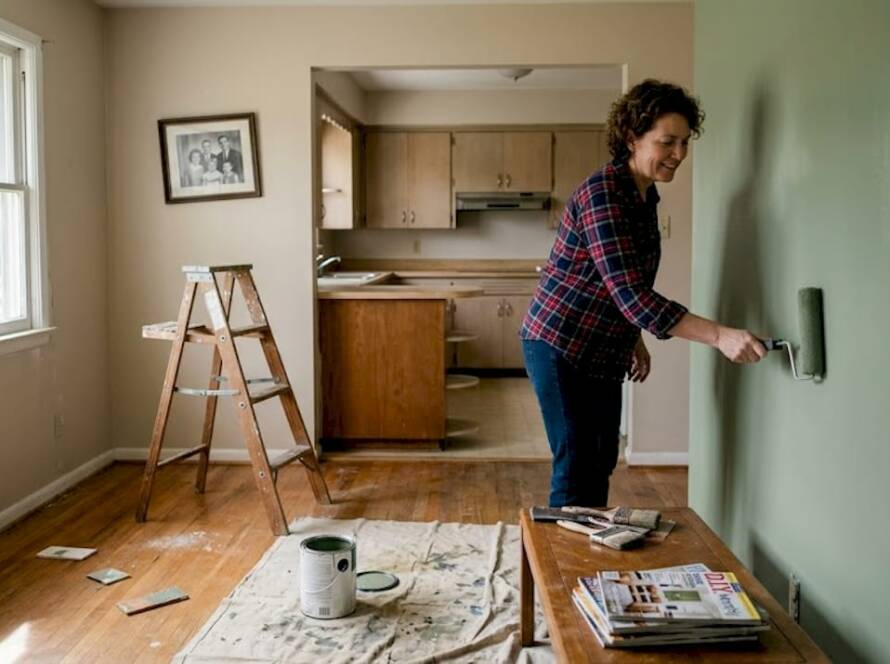
TL;DR:
- Minor kitchen upgrades can provide high ROI and quicker results than full remodels.
- Renovations keep existing layout, remodels involve significant structural changes requiring permits and longer timelines.
- Budget in 10-20% contingency for unexpected issues, especially in older homes with hidden problems.
Most homeowners assume that bigger always means better when it comes to kitchen upgrades. But minor kitchen upgrades can recoup 71 to 113% of their cost, often outperforming expensive full-scale remodels. That challenges a lot of conventional thinking. Whether you live in Doylestown, Bristol, or Wilmington, your kitchen is the most-used room in your home and one of the strongest levers for increasing property value. This guide walks you through everything you need to know: what a kitchen makeover actually involves, how the process works, what it costs locally, and how to maximize your return on investment and daily satisfaction.
Table of Contents
- Defining a kitchen makeover: Remodels vs. renovations
- Step-by-step makeover process: What to expect
- Local cost ranges and budgeting tips
- Maximizing ROI and homeowner satisfaction
- Our take: The best approach for Bucks County & New Castle homeowners
- Ready for your kitchen makeover? Next steps
- Frequently asked questions
Key Takeaways
| Point | Details |
|---|---|
| Renovation vs. remodel | Renovations update finishes for less cost, while remodels reconfigure layout but require more time and money. |
| Process phases matter | Kitchen makeovers follow an eight-phase process with timelines from one week to several months depending on scope. |
| Local costs vary | Minor kitchen updates locally start at $15,000, while full remodels can exceed $100,000 or more. |
| Best ROI strategies | Mid-range upgrades and minor improvements deliver the highest ROI and homeowner satisfaction according to industry reports. |
| Plan for contingencies | Always include a 10-20% budget buffer for surprises like hidden plumbing or electrical issues, especially in older homes. |
Defining a kitchen makeover: Remodels vs. renovations
Before you start pulling up cabinet samples or browsing countertop colors, it helps to understand what kind of project you’re actually planning. The words “renovation” and “remodel” get used interchangeably, but they mean very different things in the construction world.
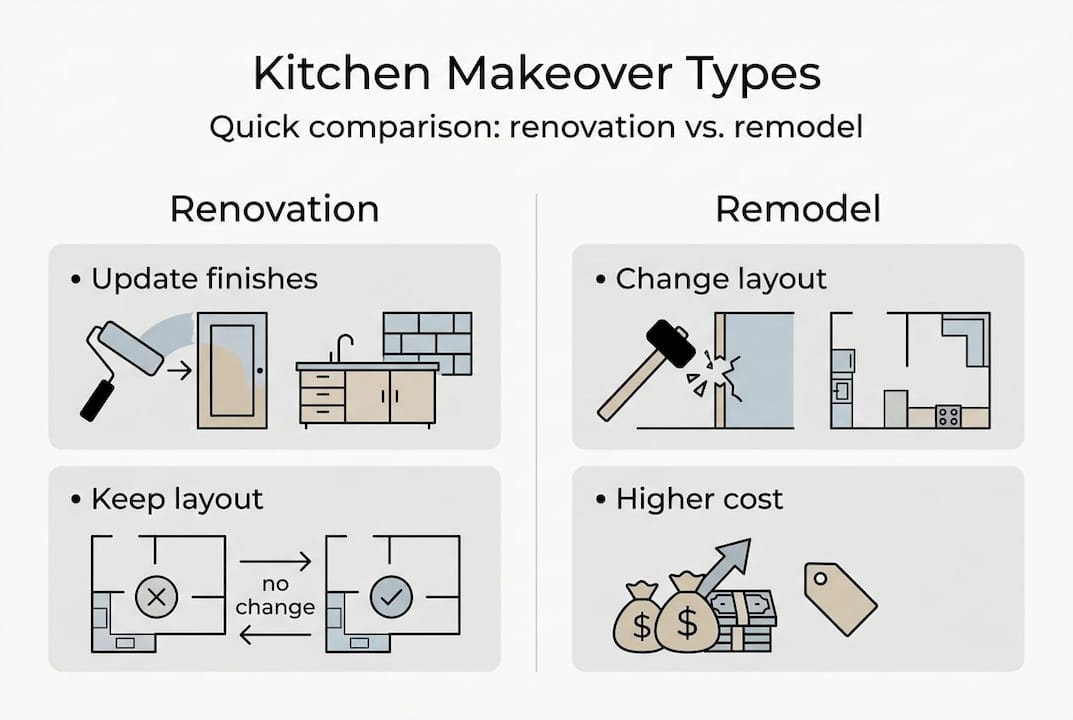
A renovation keeps your existing layout intact. You’re refreshing what’s already there: new cabinet doors, updated hardware, fresh paint, or modern fixtures. A remodel, on the other hand, changes the layout and scope significantly. That might mean moving a wall, relocating the sink, or reconfiguring the entire floor plan. Both approaches fall under the broad umbrella of a kitchen makeover that transforms function and value.
For homeowners in Lower and Central Bucks County and New Castle, Delaware, the distinction matters even more. Many homes in these areas were built in the 1950s through 1980s, which means older layouts that weren’t designed for modern cooking habits or open-concept living. A renovation might be enough to refresh the look, but a remodel may be necessary to fix a layout that genuinely doesn’t work for your family.
Here’s a quick comparison to help you decide:
| Feature | Renovation | Remodel |
|---|---|---|
| Layout changes | No | Yes |
| Permits required | Rarely | Often |
| Typical timeline | 1 to 4 weeks | 8 to 16 weeks |
| Cost range | $5k to $30k | $30k to $200k+ |
| ROI potential | 71 to 113% | 49 to 75% |
As you can see, renovations tend to offer faster timelines and stronger ROI percentages. Remodels cost more but solve deeper problems. The right choice depends on your goals, your home’s current condition, and how long you plan to stay.
The top motivations homeowners cite for kitchen upgrades include improving daily function, increasing resale appeal, and modernizing the aesthetic. Our kitchen remodeling services are designed to address all three, whether you’re doing a light refresh or a full structural overhaul. You can also explore kitchen renovation ideas to get a sense of what’s possible at different budget levels.
The key takeaway: don’t default to the most expensive option just because it feels more thorough. Match the scope to your actual needs.
Step-by-step makeover process: What to expect
Understanding the distinction between renovation and remodel helps you choose an approach. Next, let’s walk through the actual process so you know exactly what to expect before the first tool is picked up.
A kitchen makeover follows a phased process with defined timelines that most homeowners don’t fully anticipate. Knowing the phases in advance reduces stress and helps you plan your household routine around the work.
Here are the eight core phases:
- Planning and design — Finalize layout, materials, and permits before any work begins.
- Demolition — Remove cabinets, countertops, flooring, and any walls being changed.
- Rough-in work — Plumbing, electrical, and HVAC are repositioned or upgraded as needed.
- Drywall and paint — Walls are repaired, primed, and painted before anything else goes in.
- Flooring installation — New floors go in before cabinets to ensure a clean, seamless fit.
- Cabinets and countertops — The most visible phase; custom or semi-custom units are installed.
- Appliances and fixtures — Sink, faucet, lighting, and appliances are connected and tested.
- Final walkthrough — Punch list items are addressed and the space is cleaned and inspected.
Here’s how those phases typically translate into timelines:
| Project scope | Estimated timeline |
|---|---|
| Minor updates (cosmetic only) | 1 to 3 weeks |
| Mid-range renovation | 4 to 8 weeks |
| Major remodel (layout changes) | 8 to 16 weeks |
For homes in Bucks County and New Castle, hidden issues in older homes are common. Outdated wiring, galvanized pipes, or subfloor damage can surface once demolition begins, adding time and cost to any project.

Pro Tip: Always build a 10 to 20% contingency into your timeline and budget, especially if your home is more than 40 years old. Surprises happen, and being financially prepared means the project keeps moving without stress.
Also keep in mind that any project involving layout changes, plumbing relocation, or electrical upgrades will require permits and inspections. This isn’t optional. Skipping permits can create serious problems when you sell the home. Our guide on remodeling timelines breaks this down in more detail. If you’re working with a smaller footprint, our small kitchen tips are worth reading before you finalize your plan.
Local cost ranges and budgeting tips
With the process outlined, homeowners need to know what it costs and how to budget smartly. Here’s how to plan financially for your kitchen makeover without getting caught off guard.
Costs vary widely based on scope, materials, and labor. In Bucks County and New Castle, kitchen makeover costs range from $15k to $200k+ depending on what you’re doing and who you hire.
| Project level | Typical cost range | What’s included |
|---|---|---|
| Minor/cosmetic | $15k to $25k | Paint, hardware, fixtures, appliances |
| Mid-range | $45k to $85k | New cabinets, countertops, flooring, layout tweaks |
| High-end | $125k to $200k+ | Custom everything, structural changes, premium finishes |
For most local homeowners, the mid-range bracket offers the best balance of quality and return. Design-build firms that use mid-range materials tend to reduce costly errors and maximize ROI compared to piecemeal hiring.
Here’s how experienced contractors recommend allocating your budget:
- Cabinets: 30 to 40% of total budget (the biggest visual and functional impact)
- Countertops: 10 to 15% (quartz and granite offer durability and resale appeal)
- Appliances: 10 to 15% (energy-efficient models add value and reduce utility costs)
- Labor: 20 to 35% depending on complexity
- Contingency: 10 to 20% for unexpected issues
Pro Tip: A common rule of thumb is to spend 5 to 15% of your home’s current value on a kitchen remodel. If your home is worth $400,000, a $30,000 to $60,000 kitchen budget is realistic and proportionate.
One thing many homeowners overlook: mid-range materials consistently outperform luxury finishes when it comes to ROI. Buyers in the Bucks County and New Castle markets respond well to clean, modern kitchens, but they’re not necessarily paying a premium for imported stone or custom millwork. Explore our remodeling cost trends for 2025 and our guide on estimating remodeling costs before you finalize your numbers.
Maximizing ROI and homeowner satisfaction
After budgeting, it’s time to consider how your choices affect the investment and personal satisfaction. Here’s how to make sure your kitchen makeover delivers both joy and real value.
Not all upgrades are created equal. The 2025 Remodeling Impact Report found that kitchen upgrades earn a perfect Joy Score of 10 out of 10 among homeowners, and deliver a property value improvement of 60 to 80% ROI. That’s a rare combination: projects that feel great to live with and hold up financially.
Here’s what the data tells us:
- Minor upgrades (paint, hardware, fixtures): Best ROI at 71 to 113%, fastest payback
- Mid-range upgrades (cabinets, countertops, flooring): Strong balance of joy and cost recovery
- Major remodels (layout changes, structural work): Lower ROI percentage but highest satisfaction for long-term residents
The strategies that consistently deliver the best outcomes:
- Choose durable, timeless materials over trendy finishes that date quickly
- Prioritize cabinet quality since they define the kitchen’s look and function
- Use professional design-build firms to avoid costly mid-project changes
- Phase upgrades over time if budget is tight, starting with the highest-impact items
- Focus on lighting, which dramatically changes how a kitchen feels without major cost
Realtors focus on cost recovery percentages, but homeowners who live in their upgraded kitchens daily report that the joy and improved function are worth every dollar, regardless of what the market returns.
Understanding why updating your kitchen design pays off in multiple ways helps you make smarter decisions. And if you’re considering upgrading storage and style, our guide on custom cabinets and fixtures shows exactly how that investment plays out.
Our take: The best approach for Bucks County & New Castle homeowners
Here’s something most guides won’t tell you: the “optimal” kitchen makeover isn’t always the one with the highest ROI percentage. It’s the one that fits your life.
For homeowners who plan to sell within three years, a focused mid-range renovation, not a luxury remodel, is almost always the smarter call. Spend on cabinets first. They account for 30 to 40% of the budget for good reason: buyers notice them immediately, and they define how the kitchen functions every single day.
For older homes in Bucks County and New Castle, contingency planning isn’t optional. It’s the difference between a smooth project and a stressful one. Working with a design-build firm that handles planning, permitting, and construction under one roof reduces errors and keeps the project on track.
What most guides miss is the tension between joy score and ROI. You can optimize for one and sacrifice the other, or you can find the balance. Invest in kitchen makeover choices that improve how you actually use the space every day, and the financial return tends to follow naturally.
Pro Tip: Avoid “trend fever.” Shaker cabinets, neutral countertops, and quality lighting have outlasted dozens of design trends. Choose upgrades that will still feel right in ten years.
Ready for your kitchen makeover? Next steps
You now have a clear picture of what a kitchen makeover involves, what it costs locally, and how to get the most from your investment. The next step is connecting with professionals who know Bucks County and New Castle homes inside and out.
At Precision Remodeling Solutions, we specialize in professional kitchen remodeling for homeowners across Lower and Central Bucks County and New Castle, Delaware. From planning and permits to the final walkthrough, we manage every phase so you don’t have to. We also offer custom cabinetry solutions that maximize both storage and style. Contact us today for a free estimate and let’s start building the kitchen you’ve been planning.
Frequently asked questions
What is the difference between a kitchen renovation and a kitchen remodel?
A renovation makes cosmetic upgrades while keeping the existing layout, but a remodel changes the layout and often involves moving walls, plumbing, or electrical systems.
How long does a kitchen makeover typically take?
Minor updates take 1 to 3 weeks, while major remodels can last 8 to 16 weeks depending on the complexity of the layout changes and any hidden issues discovered during demolition.
How much should I budget for a kitchen makeover in Bucks County or New Castle?
Minor projects start at $15k, mid-range projects run between $45k and $85k, and high-end remodels can reach $200k or more, with most local homeowners finding the best value in the mid-range.
What is the ROI for kitchen makeovers in the local area?
Kitchen upgrades deliver 60 to 80% ROI in the Bucks County and New Castle markets, with minor cosmetic upgrades offering the strongest returns relative to cost.
What hidden costs should I prepare for during a kitchen makeover?
Older homes often reveal plumbing or electrical issues once demolition begins, so plan a 10 to 20% contingency on top of your base budget and account for permit and inspection fees when layout or mechanical systems change.
Recommended
- Why update kitchen design? Boost value, function & style – Precision Remodeling Solutions
- Top Remodeling Trends That Add Value to Your Home
- Small Kitchen, Big Impact: Remodeling Tips for Homes in Bristol, PA – Precision Remodeling Solutions
- The Smart Home Advantage: Upgrades That Increase Home Value in Bensalem – Precision Remodeling Solutions