The kitchen is the heart of the home, a place where functionality meets creativity. Whether you’re preparing a quick meal or hosting a dinner party, your kitchen’s layout can make all the difference in how efficiently and comfortably you can work.
For that reason, choosing the right kitchen layout is one of the most important decisions when designing your space. It directly impacts your workflow, storage options, and even how much you enjoy spending time in your kitchen. This guide will walk you through different kitchen layouts, the factors influencing your decision, and practical tips to design the perfect space that suits your needs and lifestyle.
Different Kitchen Layouts
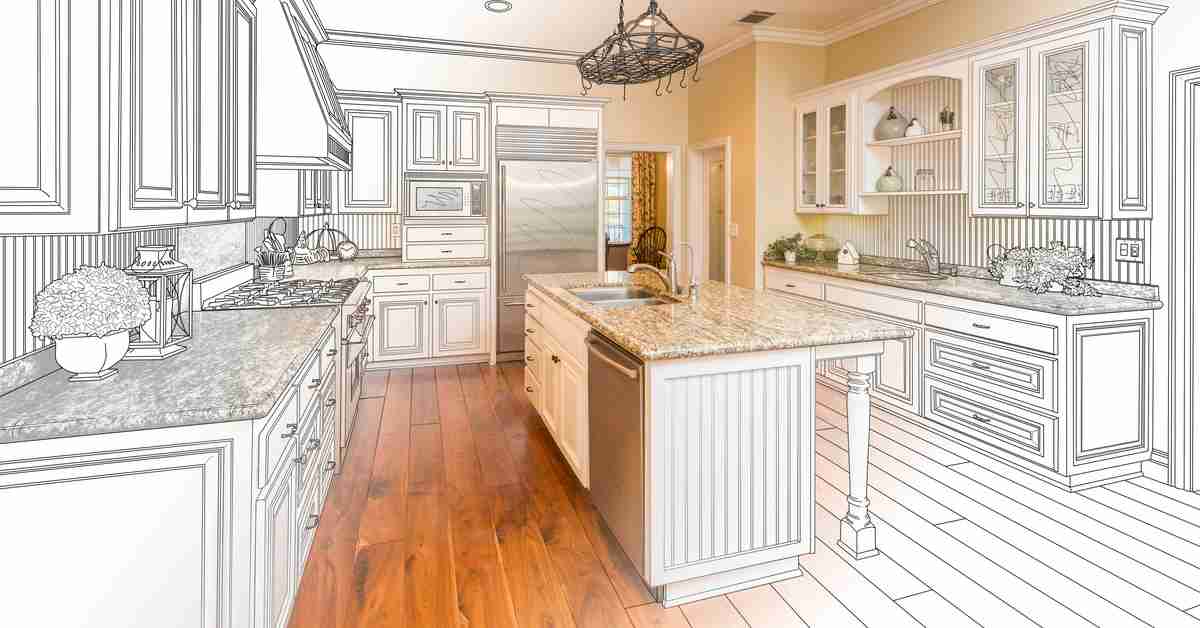
It helps to start planning with a general idea of what you want your kitchen to look like. Having the basic shape and alignment of your kitchen in mind lets you tweak details such as size and spacing, appliances, storage, organization, and so on. Below are a few examples of kitchen layouts to help you generate ideas.
One-Wall Kitchen
The one-wall kitchen layout is a popular choice for smaller spaces, such as studio apartments. With cabinets, countertops, and appliances all aligned on a single wall, this layout optimizes limited square footage. Its streamlined design is simple, compact, and efficient, ensuring everything is within easy reach.
However, this design does have its limitations. Counter space is often minimal, and storage can be a challenge. To make the most out of a one-wall kitchen, it’s important to focus on vertical solutions. Adding taller cabinets or incorporating shelving above the countertop can give you extra storage without taking up additional floor space.
Additionally, consider creative ways to enhance functionality, like using foldable or extendable counter areas to increase prep space when needed. With a thoughtful approach, a one-wall kitchen can combine style and practicality effortlessly.
Galley Kitchen
Galley kitchens are common when space is tight, but a bit more functionality is required. This design features two parallel countertops with a walkway in between.
The compact nature of this layout allows for efficient movement, especially in homes with limited width. It’s often favored in homes where cooking is a priority, as it provides a dedicated workspace that can separate prep and cooking areas. The downside is that its narrow design can feel cramped, particularly if multiple cooks are working in the kitchen at the same time.
Maximizing this layout requires proper planning. Consider positioning your sink, stove, and refrigerator effectively on the kitchen triangle to avoid wasted steps. Reflective surfaces, lighter colors, and strategic lighting can also open up the space visually, making a galley kitchen feel more inviting and less confined.
L-Shaped Kitchen
An L-shaped kitchen, with its two adjacent walls forming the distinctive “L,” is ideal for medium-sized kitchens. This layout is highly versatile and creates an efficient flow for cooking and meal prep. By design, it minimizes foot traffic within the kitchen, leaving one side open, which can make it feel more spacious.
The flexibility of an L-shaped kitchen allows for more freedom in how you arrange your appliances and work zones. You can easily add a dining table or small kitchen island without disrupting the overall flow. This layout makes it easy to incorporate the kitchen triangle, ensuring smooth transitions from cooking to cleaning. For those who want a balance between functionality and a welcoming atmosphere, the L-shaped kitchen is a great solution.
U-Shaped Kitchen
A U-shaped kitchen layout is perfect for those who have ample space and need maximum functionality. With cabinetry and countertops flanking three walls, this design provides an abundance of storage and work surfaces, making it an ideal choice for larger households or avid chefs.
The main advantage of a U-shaped kitchen is its capacity to create a highly efficient work environment. With everything you need within arm’s reach, tasks like chopping ingredients, cooking, and washing dishes can be done seamlessly. However, a poorly designed layout can make the space feel closed off, especially in smaller kitchens. Using lighter tones and open shelving can make the area appear more spacious while maintaining its high utility.
Consider Available Space
Before choosing the right kitchen layout for your home, it’s crucial to evaluate the space you have. Measure your kitchen thoroughly, noting not just the floor measurements but also wall lengths, ceiling height, and the placement of windows and doors. These elements will largely determine which layouts are most feasible and whether you can incorporate additional features, such as an island or extended counter space.
Proper planning ensures the layout you choose fits both your home’s architecture and your personal needs. A functional kitchen isn’t just about aesthetic appeal; it’s about maximizing every square foot to create a practical, comfortable, and beautiful workspace.
Design for Your Workflow
A thoughtfully designed kitchen layout is rooted in the concept of the kitchen triangle. The triangle connects the sink, refrigerator, and stove, the three key workstations in the kitchen. Efficient layouts minimize the distance between these points while ensuring there are no obstructions between them.
Your workflow dictates how you move between these stations. For example, if you’re someone who enjoys elaborate cooking, having ample prep space near the stove is essential. On the other hand, if your kitchen serves as more of a family hub, you may want to focus on creating clear zones for cooking, socializing, and storage. Tailor your layout to support how you plan to use the space.
Strategize Storage Solutions
Storage is a crucial element of any kitchen layout. Even the most beautiful design can feel frustrating if there isn’t enough room to keep everything organized. When planning your kitchen, think about how much storage you’ll need for utensils, cookware, and pantry items.
Maximize your available space by incorporating solutions like pull-out shelves, vertical dividers, and deep drawers. Don’t overlook the potential of underutilized areas, such as corners or above-counter spaces, which you can transform into practical storage zones. Thoughtful storage solutions ensure your kitchen remains clutter-free and functional.
Invest in Good Lighting
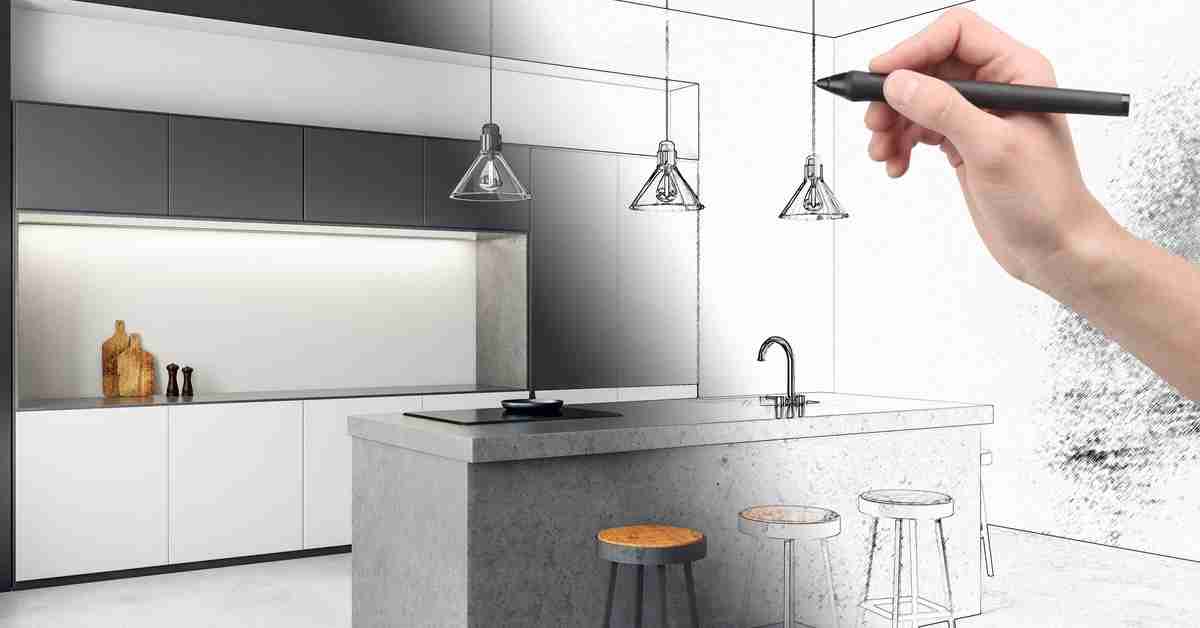
Lighting can make or break the atmosphere in your kitchen. A combination of natural lighting and artificial options can create an inviting and practical space. Task lighting, such as under-cabinet lights or pendant lights above an island, provides focused brightness for specific work areas. Meanwhile, ambient lighting sets the overall mood and ensures comfortable visibility throughout the room.
Avoid harsh or overly dim lighting, as these can make the kitchen feel unappealing. Remember to consider the placement of light fixtures to eliminate shadows and brighten crucial work zones effectively.
Choose the Right Appliances
Your choice of appliances should complement your kitchen layout rather than compete with it. For smaller spaces, compact and multifunctional appliances can save room while offering high utility. For larger kitchens, built-in appliances provide a neat and cohesive look.
Position major appliances strategically to enhance your workflow. For example, place the refrigerator near an entry point for easy access during grocery unloading. Integrate appliances seamlessly into your layout to maintain both functionality and visual harmony.
Plan the Perfect Kitchen
Take the next step in creating your dream kitchen by working with a remodeling contractor who understands your wants and needs for your space. Precision Remodeling Solutions offers expert kitchen remodeling services to build a design that perfectly suits your home and lifestyle. Schedule your consultation today to get started on upgrading your home.