TL;DR:
- Remodeling involves structural and layout changes, while renovation focuses on surface updates.
- Permits are required for most structural and major mechanical projects in Bucks County and New Castle.
- Proper planning, local expertise, and professional help are essential for a successful remodel.
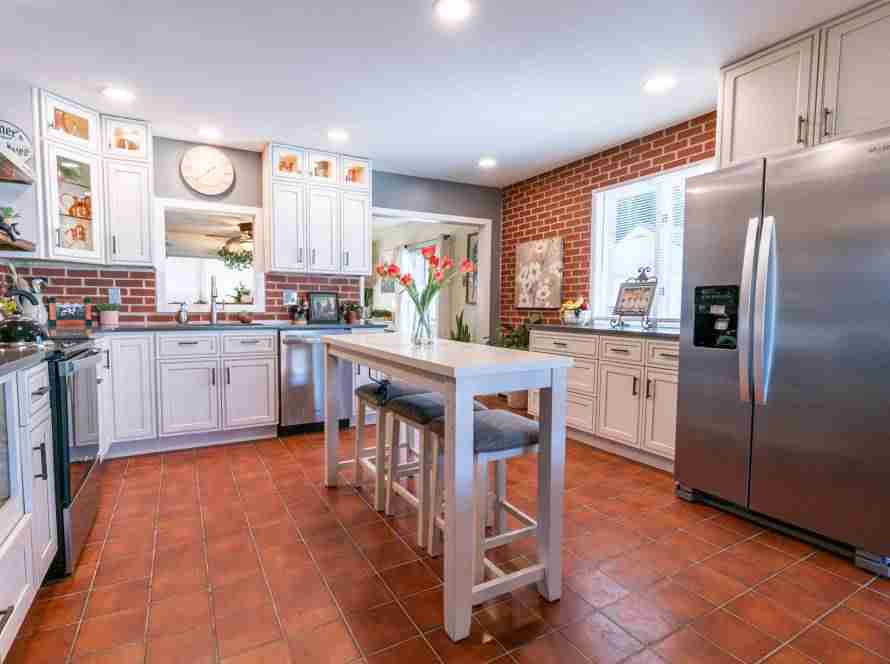
Many homeowners use the words “remodeling” and “renovation” interchangeably, but they mean very different things, and confusing them can lead to costly planning mistakes. Remodeling changes structure or function, while renovation refreshes surfaces. If you own a home in Lower or Central Bucks County or New Castle, Delaware, knowing this distinction helps you set the right goals, hire the right people, and budget accurately. This guide walks you through what home remodeling actually is, how the process unfolds, what permits you need locally, and what your investment is likely to return.
Table of Contents
- What is home remodeling?
- The home remodeling process: step-by-step overview
- Permits, codes, and local regulations: what Bucks and New Castle homeowners must know
- Costs, ROI, and surprises: remodeling economics in Bucks and New Castle
- A remodeler’s perspective: what most guides don’t tell you
- Ready to transform your home?
- Frequently asked questions
Key Takeaways
| Point | Details |
|---|---|
| Remodel vs. renovation | Remodeling means changing a home’s structure or purpose, while renovation updates its look or features. |
| Plan and budget wisely | A successful remodel requires detailed planning, professional help, and a 15-20% budget buffer for surprises. |
| Permits are essential | Never skip permits—doing so risks fines, failed inspections, and costly project delays. |
| Costs and ROI | Kitchen and bath remodels offer high returns, but be prepared for regional price ranges and unexpected expenses. |
| Professional help matters | Hiring local pros prevents errors and ensures your remodel meets code and delivers lasting value. |
What is home remodeling?
At its core, home remodeling means changing how a space is structured or used. It goes far beyond swapping out a faucet or repainting walls. Remodeling changes layout or purpose, while renovation sticks to surface updates like new flooring or fixtures. That distinction matters a lot when you are planning your project and talking to contractors.
Here is a quick comparison to make it concrete:
| Feature | Remodeling | Renovation |
|---|---|---|
| Structural changes | Yes | No |
| Layout changes | Yes | No |
| Permits usually required | Yes | Sometimes |
| Cost range | Higher | Lower |
| Impact on resale value | Significant | Moderate |
Typical remodeling projects include:
- Opening up a closed kitchen to create an open floor plan
- Converting a garage into a living space or in-law suite
- Expanding a bathroom by borrowing square footage from an adjacent room
- Finishing a basement for functional living space
- Adding a room or second story to the home
Many homes in Bucks County and New Castle were built decades ago, and their layouts simply do not match how families live today. Narrow kitchens, cramped bathrooms, and underused basements are common pain points. Remodeling solves those problems at the structural level, not just the cosmetic one.
The impact on how you feel about your home is real. 64% of homeowners report a greater desire to stay home after completing a remodel. That is not just about aesthetics. It is about living in a space that actually fits your life. You can explore the full range of remodeling services overview to see which project types apply to your situation.
With the core distinction set, it is time to explore the process from dream to done.
The home remodeling process: step-by-step overview
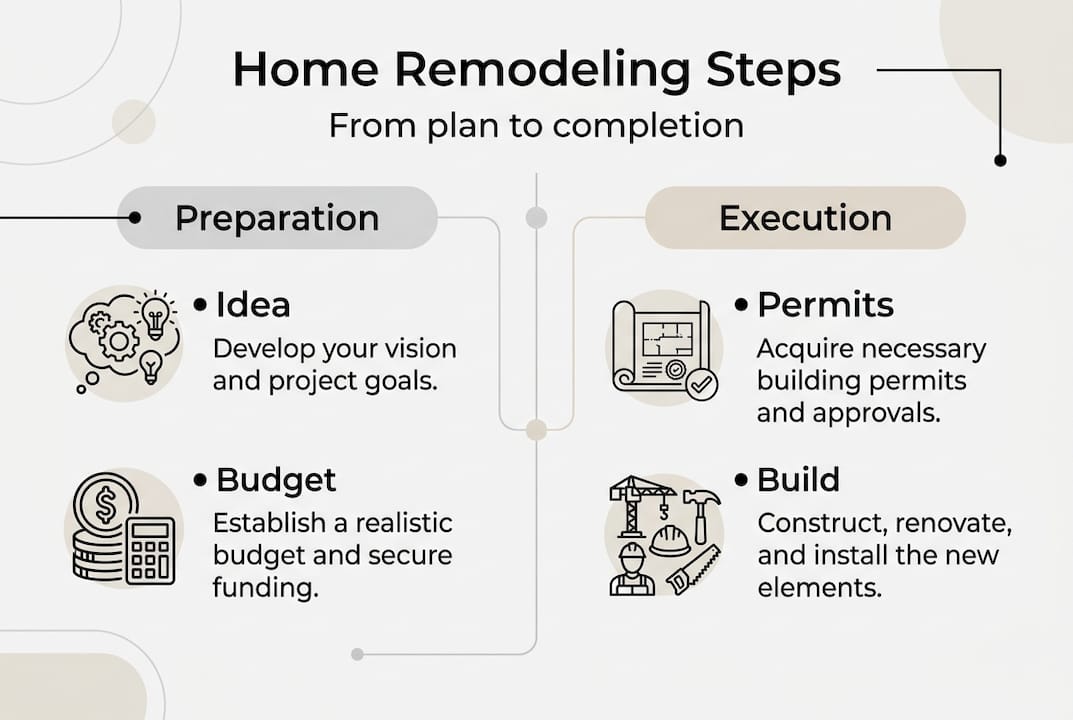
A remodeling project is not something you start on a Saturday morning with a sledgehammer. It follows a defined sequence, and skipping steps creates expensive problems. A typical remodel includes planning, permitting, construction, and inspections, with full projects averaging 6 to 12 months and a recommended 15 to 20% budget contingency.
Here is how a well-run remodel unfolds:
- Define your goals. What problem are you solving? More space, better function, updated systems? Be specific before anything else.
- Set your budget. Include your contingency from day one. Surprises happen in older homes, and you need financial room to handle them.
- Hire the right professionals. A general contractor, designer, and any required specialists should be in place before design begins. See hiring a remodeling company for guidance on what to look for.
- Finalize the design. Drawings, material selections, and specifications need to be locked in before permits are pulled.
- Pull permits. Your contractor typically handles this, but the homeowner is ultimately responsible for compliance.
- Demolition. Existing structures are removed carefully to protect adjacent systems.
- Structural and systems work. Framing, plumbing, HVAC, and electrical are completed in sequence.
- Finishes. Drywall, flooring, cabinetry, tile, and fixtures are installed.
- Final inspections. Local inspectors verify that all work meets code before the project is closed out.
For a deeper look at how long each phase takes, the remodeling timeline details page breaks it down by project type.
Pro Tip: Always set aside at least 15% of your total budget for unexpected costs. Hidden mold, outdated wiring, or code-required upgrades are common in older Bucks County and New Castle homes, and they are rarely cheap to fix.
The planning and permitting phases are where most homeowners underestimate the time involved. Do not rush them. A well-planned project runs smoother, costs less in the long run, and delivers better results.
Permits, codes, and local regulations: what Bucks and New Castle homeowners must know
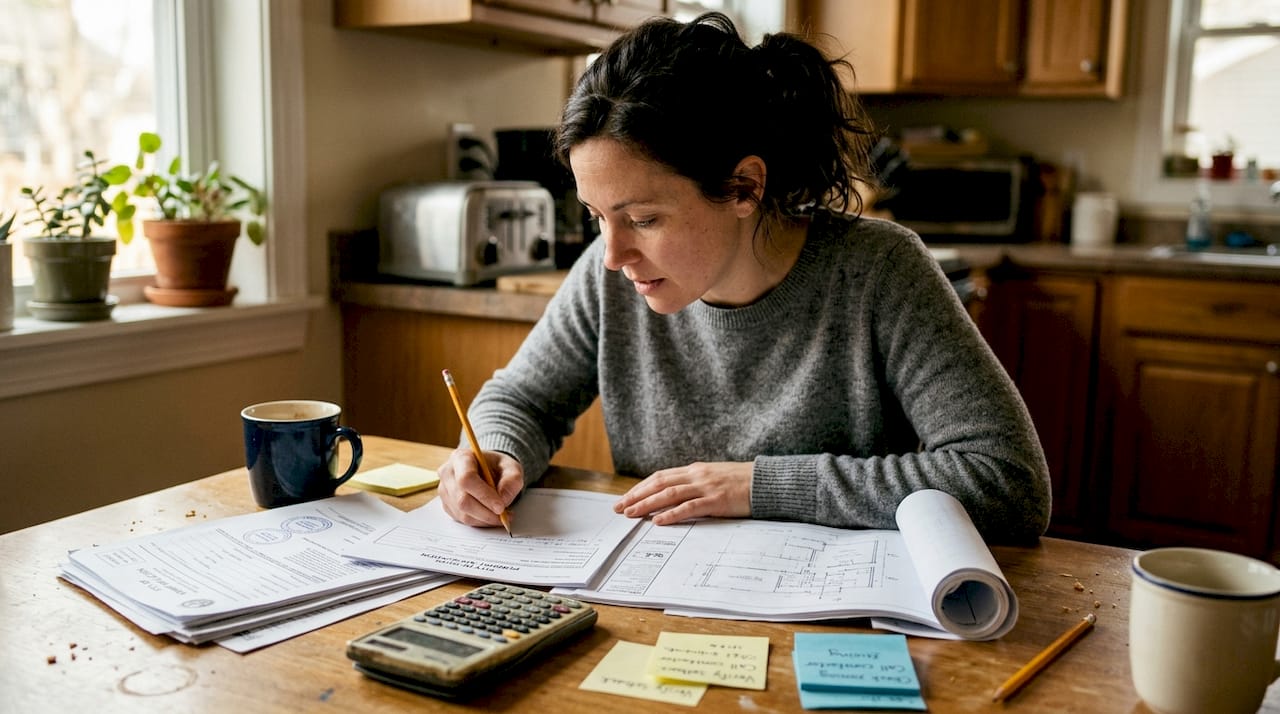
Before swinging a hammer, you need to understand the legal landscape for remodeling in your region. Permits are not optional, and skipping them can create serious problems down the road.
Permits are required for structural changes, additions, and major system work in Bucks County, including decks over 30 inches and large sheds. Fees are based on project size and type. New Castle, Delaware has its own permitting structure through the county and individual municipalities, so the rules can vary depending on exactly where you live.
Here is what typically triggers a permit requirement in both areas:
- Removing or adding walls (load-bearing or not)
- Room additions and home expansions
- Garage conversions and basement finishing
- Major electrical panel upgrades or new circuits
- Plumbing changes including new lines or fixture relocations
- HVAC system replacements or significant duct modifications
Important: Each township in Bucks County and each municipality in New Castle may apply slightly different standards. Always confirm permit requirements with your local building department before starting work, not after.
Failing to pull permits is one of the most common and costly mistakes homeowners make. If unpermitted work is discovered during a home sale inspection, you may be required to open walls, redo work, or pay fines. It can delay or even kill a sale.
Pro Tip: Involve your contractor early in the permitting conversation. Experienced local contractors know the specific requirements for your township and can often handle the permit application on your behalf, saving you time and reducing errors.
For more on what to ask contractors about compliance, the questions for contractors guide covers the key points. You can also review service options and regulations to understand which project types carry the most regulatory weight.
Costs, ROI, and surprises: remodeling economics in Bucks and New Castle
Understanding regulations reduces risks, but what about your budget and investment? Knowing what projects cost and what you are likely to get back helps you make smarter decisions.
Here are typical cost ranges for the most common remodeling projects in this region:
| Project type | Typical cost range | Estimated ROI at resale |
|---|---|---|
| Kitchen remodel | $25,000 to $60,000 | 60 to 75% |
| Bathroom remodel | $15,000 to $40,000 | 55 to 70% |
| Basement finishing | $20,000 to $50,000 | 50 to 65% |
| Home addition | $80,000 to $200,000+ | 50 to 65% |
Kitchen remodeling recoups 60 to 75% of cost at resale nationally, making it one of the strongest investments you can make in your home. Bathrooms follow closely behind.
The biggest cost drivers in any remodel include:
- Project scope. The more structural work involved, the higher the cost.
- Material selections. Custom cabinetry and natural stone cost significantly more than stock options.
- Hidden conditions. Older homes in Bucks County and New Castle frequently reveal mold, lead paint, outdated wiring, or foundation issues once walls are opened.
- Code upgrades. If your home has systems that no longer meet current code, you may be required to update them as part of the remodel.
For local kitchen project inspiration and current trends, the local kitchen remodel trends page offers useful context on what homeowners in this area are choosing right now.
The smartest approach is to treat your contingency budget as a required line item, not an afterthought. Homes built before 1980 in particular carry a higher likelihood of surprise costs, and being financially prepared keeps the project moving without panic.
A remodeler’s perspective: what most guides don’t tell you
Having understood the steps and costs, it is time for some real talk from the field. Most remodeling guides focus on the process and skip the harder truths.
DIY remodeling looks appealing on a budget, but 30% of professional remodel jobs in the region result from failed DIY attempts or non-compliance issues. What looks like savings upfront often becomes a more expensive fix later, especially when inspections fail or structural errors need correction.
Older homes in Bucks County are particularly unforgiving. Behind those walls, you might find knob-and-tube wiring, asbestos insulation, or framing that does not meet modern load requirements. An experienced local contractor recognizes these issues immediately and knows how to address them within the permitting system. A first-time remodeler or out-of-area contractor may not.
Here is the perspective we want to share: remodeling is a team sport. The general contractor, subcontractors, designer, permit expediter, and you as the homeowner all play active roles. The projects that go smoothly are the ones where everyone communicates clearly and the professional team has deep local experience.
The best remodels are not just about square footage or resale value. They deliver function, daily joy, and peace of mind. When you work with the right remodeler, you are not just buying labor. You are buying local knowledge, accountability, and a finished result you can actually live in confidently.
Ready to transform your home?
If this guide has helped clarify what remodeling really involves, you are already ahead of most homeowners who start the process without a clear picture. The next step is connecting with a team that knows Bucks County and New Castle inside and out.
At Precision Remodeling Solutions, we handle every phase of your project, from initial planning and permitting through final inspection. Whether you are thinking about kitchen remodeling services, a full bathroom remodeling services overhaul, or exploring in-law suite additions, our team brings the local expertise to get it done right. Reach out today for a free estimate and let us help you turn your vision into a home you love.
Frequently asked questions
What is the main difference between home remodeling and renovation?
Remodeling alters structure or function, while renovation updates surfaces or fixtures without changing the layout. Think of renovation as a refresh and remodeling as a rebuild.
Do I need a permit for most remodeling projects in Bucks County or New Castle?
Yes. Permits are required for structural changes, additions, and major mechanical work in both regions. Skipping permits can result in fines, failed inspections, or complications during a home sale.
What are typical costs for kitchen or bathroom remodeling in Bucks County?
Kitchen remodels range $25,000 to $60,000 and bathrooms typically cost $15,000 to $40,000, depending on scope, materials, and any hidden conditions found during construction.
Is hiring professionals really necessary for a remodel?
For most structural remodels, yes. 30% of professional jobs originate from DIY projects that failed inspections or caused code violations, and fixing those mistakes costs more than hiring a pro from the start.
How long does a typical home remodel take?
Full remodels average 6 to 12 months from planning through final inspection, though smaller projects like a single bathroom can be completed in 6 to 10 weeks with proper planning in place.
Recommended
- The Remodeling Timeline: What to Expect from Start to Finish
- Questions To Ask Before Hiring a Home Remodeling Company
- Why remodel for family expansion? 5 key benefits – Precision Remodeling Solutions
- Top Remodeling Trends That Add Value to Your Home
- Step By Step Pool Remodeling: Transform Your Backyard Oasis
- How to plan a plumbing refurbishment: UK step-by-step