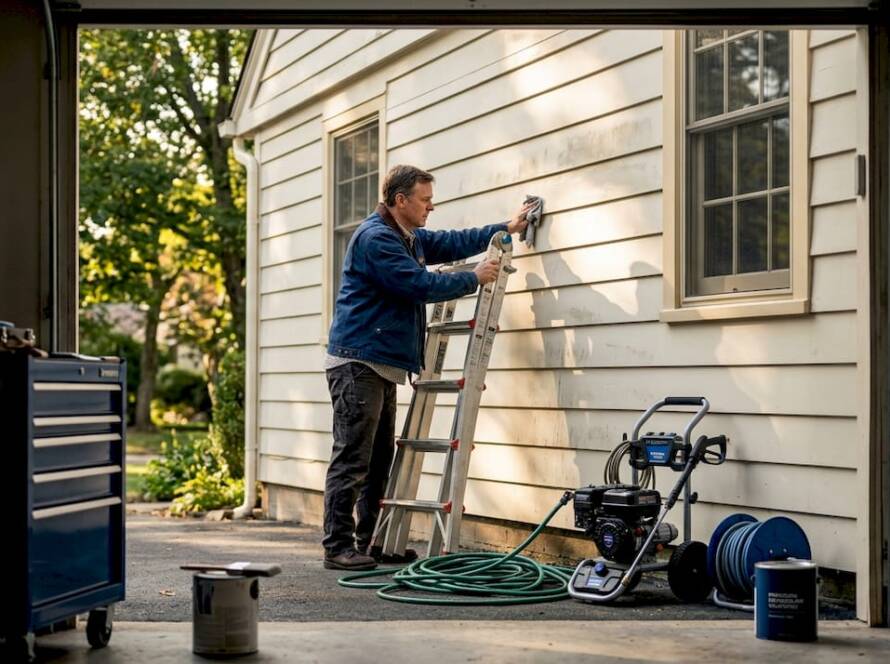
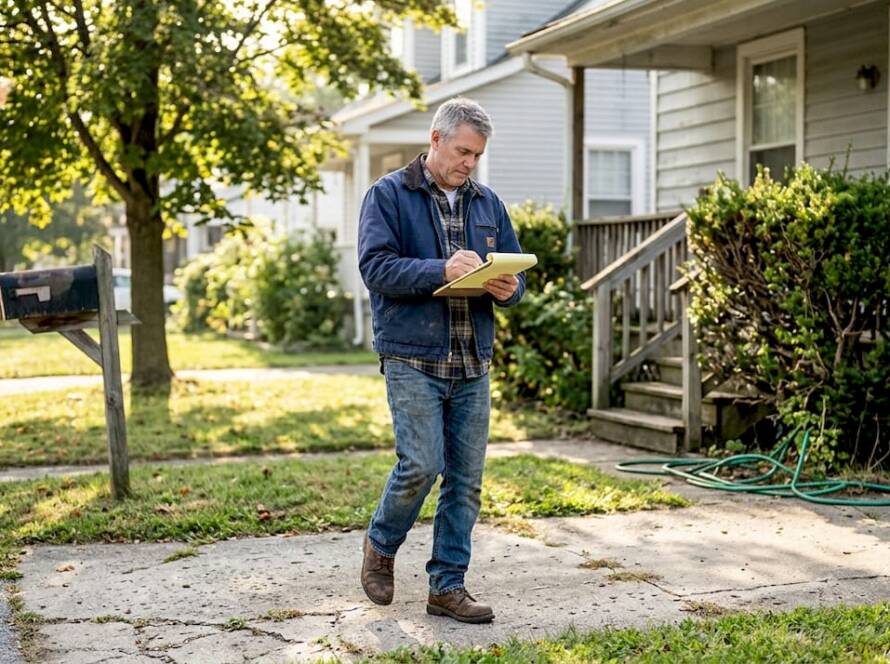
TL;DR:
- Focus on high-ROI upgrades like kitchens, bathrooms, and basements for resale value and daily comfort.
- Exterior and addition projects enhance curb appeal but require regional material considerations and permits.
- Phased renovations and expert guidance help manage costs, comply with codes, and ensure long-term home value.
Deciding where to start a home renovation can feel overwhelming. You’re weighing budget, lifestyle, resale value, and what your neighbors’ homes look like, all at once. In Lower and Central Bucks County and New Castle, Delaware, those decisions carry extra weight because local market conditions, historic preservation codes, and regional climate all play a role. This guide walks you through the main renovation categories, compares real ROI figures, and helps you identify which upgrades make the most sense for your home and your goals. Whether you’re planning a single-room refresh or a full overhaul, the right information makes all the difference.
Table of Contents
- Understanding your renovation options: The main categories
- Kitchen, bath, and basement: High-ROI upgrades
- Exterior upgrades and additions: Boosting curb appeal and functionality
- Whole-home renovations and special considerations
- Comparing renovation types: Which is right for your home?
- Our take: Making smart choices for long-term value
- Ready to renovate? Expert help is just a click away
- Frequently asked questions
Key Takeaways
| Point | Details |
|---|---|
| Top renovation types | Kitchen, bathroom, and basement projects lead for value and versatility. |
| Local ROI benchmarks | Expect 55–80% return for kitchens, 60–70% for bathrooms, and about 70% for basements. |
| Regional factors | Historic, coastal, and inland homes each have unique requirements for permitting and materials. |
| Plan your scope | Decide between cosmetic versus structural, and phased versus all-at-once renovations based on budget and goals. |
| Expert input matters | Consulting local pros avoids costly mistakes and maximizes your investment. |
Understanding your renovation options: The main categories
Once you understand the renovation challenge, let’s map out the main categories you’ll encounter. Not all renovations are created equal, and knowing the difference between a cosmetic update and a structural change can save you time, money, and serious headaches.
Common renovation types include kitchen remodeling, bathroom remodeling, basement finishing, home additions, whole-home renovations, roofing, siding, exterior work, flooring, painting, and energy efficiency upgrades. These categories cover the full spectrum of what most homeowners in this region tackle.
Here’s a quick breakdown of each type:
- Kitchen remodeling: Cabinets, countertops, appliances, layout changes
- Bathroom remodeling: Fixtures, tile, vanities, walk-in showers
- Basement finishing: Converting unfinished space into living area
- Home additions: Sunrooms, extra bedrooms, expanded living space
- Whole-home renovations: Coordinated updates across multiple rooms or systems
- Exterior work: Roofing, siding, windows, doors, and landscaping
- Flooring and painting: Cosmetic updates with strong visual impact
- Energy efficiency upgrades: Insulation, windows, HVAC, solar
Cosmetic renovations, like painting or replacing flooring, change the look and feel of a space without touching the structure. Structural renovations involve walls, foundations, plumbing, or electrical systems and almost always require permits and licensed contractors.
Exploring the full remodeling services available to you is a smart first step before settling on a scope of work. Understanding what’s possible helps you prioritize what matters most for your home.
Kitchen, bath, and basement: High-ROI upgrades
Now that you know the basic types, let’s dig into the most popular, high-impact upgrades: kitchens, bathrooms, and basements. These three areas consistently deliver the best combination of daily comfort and resale value in this region.
Kitchens and baths offer high ROI in Bucks County, and finished basements add versatility and value that buyers and families both appreciate. The numbers back this up: kitchen ROI runs 55 to 80%, bathrooms return 60 to 70%, and basements deliver around 70%.
| Room | Avg. cost range | Typical ROI | Key benefit |
|---|---|---|---|
| Kitchen | $38,000–$48,000 | 55–80% | Daily use, resale appeal |
| Bathroom | $10,000–$25,000 | 60–70% | Comfort, buyer priority |
| Basement | $20,000–$50,000 | ~70% | Usable square footage |
For each of these rooms, the benefits go beyond dollar figures:
- Kitchen: Better workflow, updated appliances, and modern finishes attract buyers and make everyday cooking more enjoyable
- Bathroom: A remodeled bathroom signals care and quality throughout the home
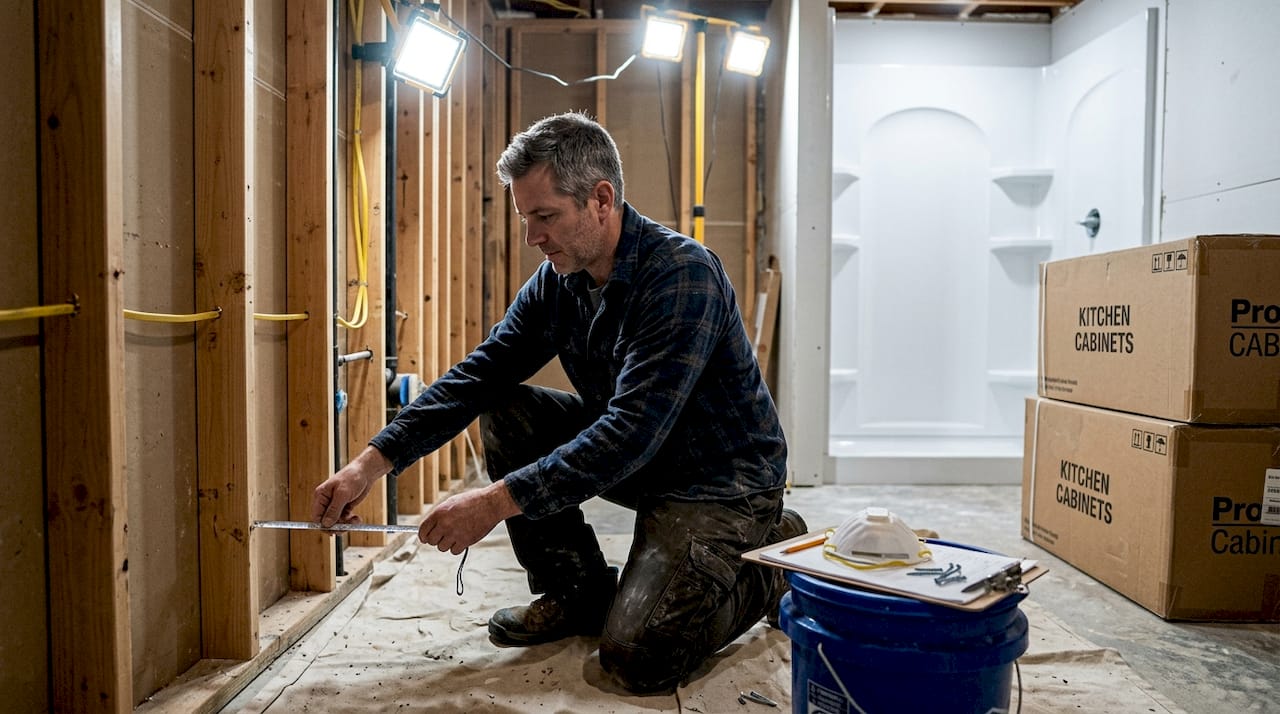
- Basement: Finished basements function as home offices, gyms, guest suites, or entertainment rooms
A phased approach works well if your budget is tight. You can update a kitchen in stages, starting with cabinets and countertops before tackling appliances or flooring. Staying current on kitchen trends in Bucks County helps you make choices that age well.
Pro Tip: Before starting any of these projects, research what comparable homes in your neighborhood sold for. If your neighbors’ homes are topping out at $450,000, a $60,000 kitchen renovation may not return your full investment.
Learning about basement remodel value in Lower Bucks County can also help you frame realistic expectations. And if bathrooms are your priority, local bathroom remodeling options are worth reviewing early in the planning process.
Exterior upgrades and additions: Boosting curb appeal and functionality
Interior upgrades aren’t the only way to refresh your home. Exterior work and home additions offer unique benefits and challenges in this region, especially given the mix of coastal and inland environments between New Castle and Bucks County.
Exterior projects like roofing, siding, windows, and doors add value and must be adapted to coastal or historic conditions. A material that performs well in inland Bucks County may not hold up as well near the water in New Castle, where salt air and moisture are real concerns.
| Project type | Avg. cost range | Regional consideration |
|---|---|---|
| Roof replacement | $8,000–$20,000 | Inland: asphalt shingles; coastal: impact-rated |
| Siding | $7,000–$18,000 | Fiber cement for moisture resistance |
| Window replacement | $5,000–$15,000 | Energy-rated for PA/DE winters |
| Additions (sunroom) | $20,000–$60,000 | Permits and lot coverage rules apply |
For curb appeal, these updates make a visible difference:
- Fresh siding or a new paint color
- Replacing outdated entry doors with energy-efficient models
- New shutters, trim, or decorative elements
- Upgraded driveway or walkway surfaces
- Landscaping and exterior lighting
Home additions like sunrooms or screened porches extend your living space and add a premium feel, especially when designed to complement the existing architecture.
Pro Tip: If your home is near the Delaware coast or in a historic district, always choose materials rated for moisture resistance and check local design guidelines before purchasing anything. Replacing the wrong siding once is expensive. Replacing it twice is painful.
Browsing your exterior remodeling options in detail helps you understand the full range of what’s possible before committing to a scope.
Whole-home renovations and special considerations
Some projects require a more extensive approach, so let’s look at whole-home renovations and what makes them different from single-room upgrades. These projects are more complex, take longer, and demand careful planning from the start.
A full renovation follows sequential phases: design, permits, demolition, rough-in work for plumbing and electrical, then finishes. Skipping or rushing any phase creates problems that surface later, often at significant cost.
Here’s a simplified overview of the whole-home renovation process:
- Define your goals and set a realistic budget
- Hire a licensed contractor and finalize design plans
- Apply for and receive all required permits
- Complete demolition of affected areas
- Rough-in plumbing, electrical, and HVAC systems
- Insulate, drywall, and prepare surfaces
- Install finishes: flooring, cabinetry, fixtures, paint
- Final inspections and project close-out
A note on permits: In both Pennsylvania and Delaware, permits for structural work can be costly and time-consuming, but skipping them puts your home’s resale value and your family’s safety at risk. Always budget for permits upfront.
If your home is in a historic district, particularly in New Castle or parts of older Bucks County, you may face additional review boards and design standards. These preservation codes protect neighborhood character but require more planning time and sometimes specific materials.
Reviewing local permit considerations through a contractor familiar with PA and DE regulations is one of the most practical things you can do before breaking ground.
Comparing renovation types: Which is right for your home?
Comparing your options head-to-head helps clarify the best fit for your goals and property. Not every renovation makes sense for every home, and the right choice depends on your budget, timeline, and what you’re trying to achieve.
| Renovation type | Avg. cost | Est. ROI | Disruption level | Best for |
|---|---|---|---|---|
| Kitchen remodel | $38,000–$48,000 | 55–80% | Medium | Resale, daily use |
| Bathroom remodel | $10,000–$25,000 | 60–70% | Low-medium | Comfort, buyers |
| Basement finishing | $20,000–$50,000 | ~70% | Low | Added living space |
| Exterior upgrades | $7,000–$20,000 | Varies | Low | Curb appeal, value |
| Whole-home remodel | $80,000–$200,000+ | Varies | High | Major transformation |
When deciding which renovation is right for you, weigh these factors carefully:
- Personal needs: Does your family need more space, or just a better-functioning kitchen?
- Budget: Can you handle the full project now, or does a phased approach make more sense?
- Historic designation: Does your home fall under preservation rules that limit your choices?
- Neighborhood norms: Are your planned upgrades in line with comparable homes nearby?
- Timeline: How long can you realistically live with construction disruption?
Avoid over-improvement by comparing your planned spend to what homes in your area are actually selling for. A $150,000 renovation on a home in a $300,000 neighborhood rarely recovers its full investment.
Phased projects, where you renovate one area at a time, keep costs manageable and let you evaluate results before committing to more. Working with a contractor who knows the local market, like the guidance outlined in picking a local contractor, helps you stay on track.
Our take: Making smart choices for long-term value
Here’s something we see regularly: homeowners who follow renovation trends end up with spaces that feel dated in five years. A kitchen inspired by a viral social media post may not match the character of a 1970s colonial in Levittown or a Federal-style home in New Castle.
The most satisfying renovations we’ve been part of start with a simple question: What makes daily life harder right now? That answer leads to smarter investments than any trend ever will.
Phased projects also get underestimated. Homeowners often feel pressure to do everything at once, but spreading renovations over two or three years often produces better results. You have time to evaluate each phase, adjust your preferences, and budget more carefully for what’s next.
One more thing worth saying plainly: local code compliance is not optional. We’ve seen projects stall, cost significantly more, or create legal issues at resale because permits were skipped. Understanding renovation terms decoded and working with a licensed professional from day one is the simplest way to protect your investment.
Focus on what serves your household first. Resale value follows quality work.
Ready to renovate? Expert help is just a click away
Choosing the right renovation is one thing. Executing it with confidence requires the right team behind you, especially in a region with its own mix of climate conditions, historic regulations, and market expectations.
At Precision Remodeling Solutions, we bring regional expertise to every project we take on in Lower and Central Bucks County and New Castle, Delaware. Whether you’re exploring kitchen remodeling services, working with our bathroom remodel experts, or ready to talk to our basement renovation specialists, we’re here to help you move from planning to reality. Reach out for a free estimate and let’s make your renovation the right investment for your home.
Frequently asked questions
What home renovations add the most value in Bucks County and New Castle?
Kitchen and bath upgrades offer high ROI and popularity in Bucks County, and finished basements add strong value for families and buyers alike.
Do I need permits for home renovations in PA or DE?
Permits are required for structural, mechanical, and substantial home modifications in both Pennsylvania and Delaware, and the rules can vary by township or county.
What’s the difference between cosmetic and structural renovations?
Cosmetic updates change how a space looks and feels, while structural renovations involve major systems or layout changes and almost always require licensed professionals.
How much does a kitchen remodel cost locally?
In PA and DE, average kitchen remodels range from $38,000 to $48,000 depending on the size of the space and the materials you choose.
How do I avoid over-renovating for my neighborhood?
Compare planned upgrades to neighborhood home values and recent sale prices to make sure your investment aligns with what local buyers will actually pay.
Recommended
- Top Remodeling Trends That Add Value to Your Home
- Kitchen Renovation Ideas: Trends, Tips & ROI for 2026 – Precision Remodeling Solutions
- Why remodel for family expansion? 5 key benefits – Precision Remodeling Solutions
- The Smart Home Advantage: Upgrades That Increase Home Value in Bensalem – Precision Remodeling Solutions