TL;DR:
- True remodeling focuses on functionality and adapting spaces for your future needs.
- Collaboration with local contractors ensures designs meet regional codes, climate, and lifestyle.
- Personalized remodels increase home value, flexibility, and long-term satisfaction.
Most homeowners assume that a remodel is mainly about looking better. New countertops, fresh paint, maybe updated lighting. But if your kitchen still feels cramped, your bathroom doesn’t work for aging parents, or your basement sits unused because it was never finished with a purpose in mind, then the remodel missed the point entirely. True home improvement goes much deeper than aesthetics. It starts with understanding how you actually live, what your household needs today, and what it might need five or ten years from now. This guide breaks down what personalized remodeling really means, why it matters for homeowners in Bucks County and New Castle, Delaware, and how to get the most value from your investment.
Table of Contents
- Understanding personalized remodeling: More than a makeover
- The new essentials: What really matters in your remodel
- How personalized remodeling benefits Bucks County and New Castle homeowners
- From vision to reality: The personalized remodeling process
- Why one-size-fits-all remodeling nearly always falls short
- Ready to reimagine your space with personalized remodeling?
- Frequently asked questions
Key Takeaways
| Point | Details |
|---|---|
| Tailor to your lifestyle | Personalized remodeling adapts your home for current and future needs, unlike standard upgrades. |
| Prioritize function | Focus investments on spaces and features that improve daily comfort and flexibility. |
| Leverage local expertise | Collaborate with area professionals to navigate codes, materials, and best practices specific to Bucks County and New Castle. |
| Balance trends with your needs | Use design trends thoughtfully but ensure every choice has lasting benefit for your household. |
Understanding personalized remodeling: More than a makeover
Now that we’ve dispelled the myth, let’s clarify what makes remodeling truly personalized.
A standard remodel replaces what’s old with something new. A personalized remodel replaces what’s old with something that fits you. That distinction matters more than most homeowners realize. Personalized remodeling centers on how your spaces function and how those functions need to evolve as your life changes. A growing family needs different things from a kitchen than a couple whose children have moved out. A homeowner planning to age in place has different bathroom requirements than someone moving in their 30s.
Here’s what a truly personalized approach considers:
- Aging-in-place design: Wider doorways, walk-in showers with grab bars, and single-floor living arrangements that work now and remain safe as mobility changes
- Multigenerational living: Private entrances, shared common areas that balance togetherness and privacy, and accessible guest suites for grandparents or adult children
- Flexibility for growth: Spaces that can shift purpose over time, like a bonus room that becomes a nursery, then a home office, then a fitness room
- Accessibility improvements: Ramps, step-free transitions, and lever-style hardware that benefit family members with physical limitations
- Sustainability and energy efficiency: Insulation upgrades, energy-efficient windows, and low-maintenance exterior materials that reduce long-term costs, which you can read more about through sustainable remodeling benefits
The 2026 Block Renovations report confirms this shift, finding that homeowners now prioritize function over trends, future-proofing for life changes like aging-in-place and multigenerational living, while 24% of renovators now use AI tools in the planning phase.
“The most valuable remodels aren’t the ones that look the best in photos. They’re the ones that feel right every single day you live in them.”
Local knowledge plays a critical role too. Working with local remodeling companies means your contractor understands regional building codes, weather considerations specific to the Mid-Atlantic region, and the neighborhood character of areas like Levittown, Doylestown, or Wilmington. They also know which material choices hold up to the region’s humidity and winter conditions, which matters more than most homeowners think. Testing materials on-site before committing to them is one of the most overlooked steps in getting a remodel right, and staying current with remodeling trends that add value helps you make choices that serve you for years.
The new essentials: What really matters in your remodel
Understanding its purpose helps, but what really sets a successful personalized remodel apart?
It comes down to the quality of collaboration between you and your contractor before a single wall is touched. The 2026 Block Renovations report emphasizes that success hinges on collaboration: homeowners should spend time living in a space before finalizing the plan, contractors must provide transparent budgets and sequencing, and while AI can assist, human insight is essential for nuances like local building codes and permit requirements.
The high-impact considerations every homeowner should address include:
- Future-proofing: Plan for who will live in the home in 10 years, not just today
- Multigenerational accessibility: Design for the full range of ages and abilities in your household
- Storage systems: Built-in storage that fits your actual belongings reduces clutter and improves daily function
- Flexibility: Avoid permanent layouts for rooms that may shift purpose over time
- Energy efficiency: Upgrades like improved insulation and smart thermostats cut utility bills and add resale value
If you’re remodeling to accommodate a growing household, understanding remodeling for family growth is an important starting point for your planning conversations. Similarly, smart home upgrades like integrated lighting controls and automated HVAC systems add convenience while increasing property value.
One of the most practical tools in the planning phase is building a clear list of must-haves versus nice-to-haves. Must-haves are the things that genuinely improve how your home functions for your household. Nice-to-haves are the design features that feel exciting but won’t be missed if the budget tightens. A transparent budget discussion with your contractor early in the process keeps the project grounded in reality.
Pro Tip: Before finalizing your remodel plan, spend two weeks consciously noting every frustration you have in the spaces you’re updating. Write down what you reach for that’s in the wrong place, where you feel crowded, and what tasks feel harder than they should. That list becomes the foundation of a truly functional design.
“The contractor who asks how you use your home before asking what you want it to look like is the one worth hiring.”
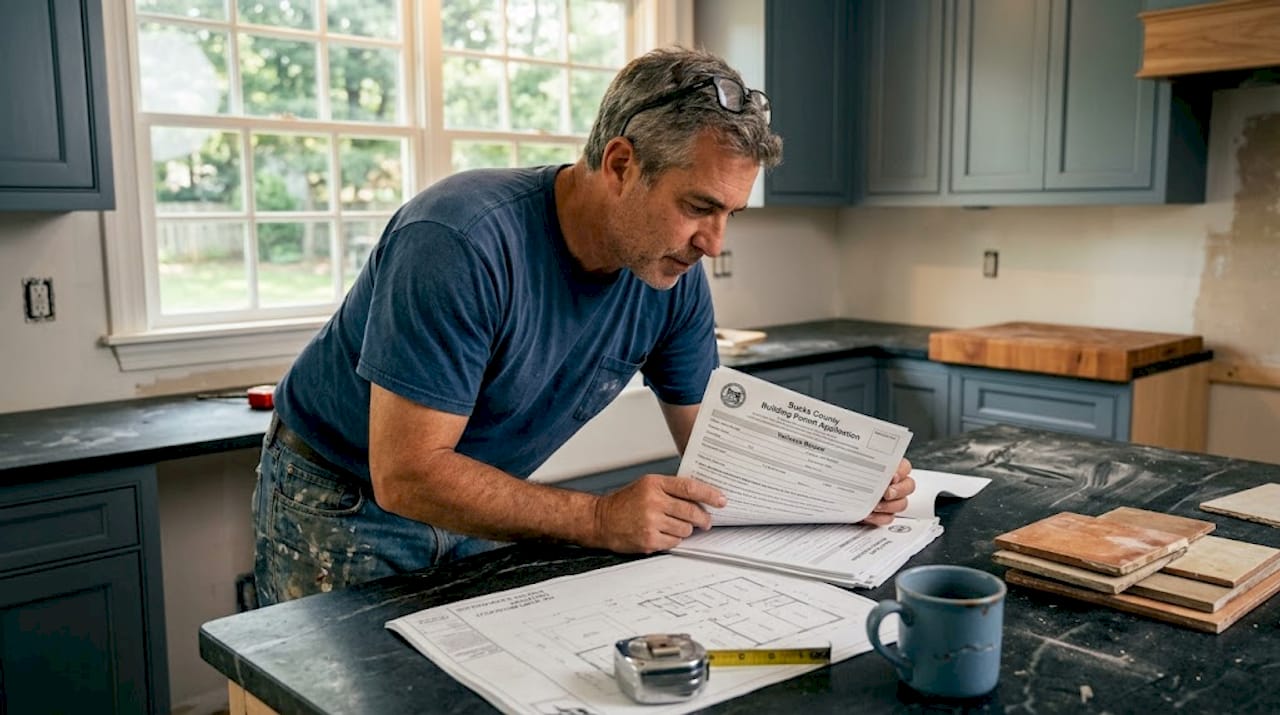
Human expertise also cannot be replaced by software when it comes to local code compliance. Pennsylvania and Delaware both have specific requirements for permits, electrical standards, plumbing, and structural changes. A contractor who knows Bucks County Township regulations, for example, can prevent costly delays or rework that no AI planning tool would catch in advance.
How personalized remodeling benefits Bucks County and New Castle homeowners
You’ve outlined your priorities. Now, see how tailored remodeling delivers real, local value.
Remodeling costs in our region start higher than the national average due to labor rates and material logistics, but targeted, personalized upgrades pay back consistently in both daily satisfaction and long-term resale value. The global home remodeling market is projected to reach $6,661.9 billion by 2035 at a CAGR of 5.1%, driven largely by demand for personalized spaces. Locally, whole-home remodels in Bucks County typically start at $250,000 or more when fully customized.
Here are the local market benchmarks worth knowing:
| Benchmark | Data Point |
|---|---|
| Median interior remodel spend (Houzz) | $13,000 |
| Multigenerational home rate (Block 2026) | 21% of renovating households |
| ADU (accessory dwelling unit) interest | 17% of homeowners exploring options |
| Whole-home remodel starting cost (Bucks County) | $250,000+ |
| Global market growth rate (CAGR through 2035) | 5.1% |
The data shows a clear shift: homeowners are building spaces for changing family needs and real-life use, not just resale staging. The rise in multigenerational homes is especially relevant here in Bucks County, where larger suburban lots and older housing stock make additions and accessory units more feasible than in denser urban areas.
The top three benefits of personalized remodeling for local homeowners are:
- Flexibility: A home designed for your current and future needs avoids the expense of repeated partial renovations as your life evolves.
- Increased property value: Customized kitchens, bathrooms, and finished basements consistently rank among the highest-return upgrades in the local real estate market. Exploring Bucks County kitchen trends gives you a clear picture of what buyers in the area actually value.
- Future readiness: Homes designed for accessibility, energy efficiency, and multigenerational use are better positioned for the next decade of family life and resale.
Understanding the bathroom remodeling ROI is also useful context, since bathroom upgrades in this region consistently return strong value when done with a clear purpose rather than just cosmetic updates.
Key takeaway: In a market where home prices in Lower and Central Bucks County and New Castle remain strong, a personalized remodel doesn’t just improve how you feel at home. It protects and grows the equity you’ve already built.
From vision to reality: The personalized remodeling process
Convinced of the benefits? Here’s how to move from inspiration to results in your own home.
The process of a personalized remodel follows a clear sequence, and understanding each step helps you stay confident and in control throughout. The Block 2026 report recommends that homeowners document all changes and test materials in-site, noting that AI aids in planning but doesn’t replace local expertise for code compliance and finishing decisions.
Here is the essential sequence:
- Initial consultation: Share your goals, lifestyle, and any concerns about your current spaces. A good contractor asks questions before offering solutions.
- Living in the space: Spend real time in the rooms being remodeled, noting daily frustrations and workflow patterns before the design is finalized.
- Design and planning: Work with your contractor to create a layout that addresses your identified needs. This is where remodeling project planning tools and AI visualization software can help you see options.
- Transparent costing: Review a detailed, itemized estimate that separates must-haves from upgrades and gives you a clear sequence of work.
- On-site material selection: Evaluate finishes, tiles, cabinets, and hardware inside the actual space under your home’s natural lighting. What looks perfect in a showroom often reads differently at home.
- Documentation: Keep a record of every decision, change order, and material spec. This protects you and your contractor if questions arise later.
- Construction: Work proceeds according to the agreed sequence. Expect a clear schedule and regular check-ins.
- Final walkthrough: Review every element before signing off. A quality contractor welcomes your scrutiny here.
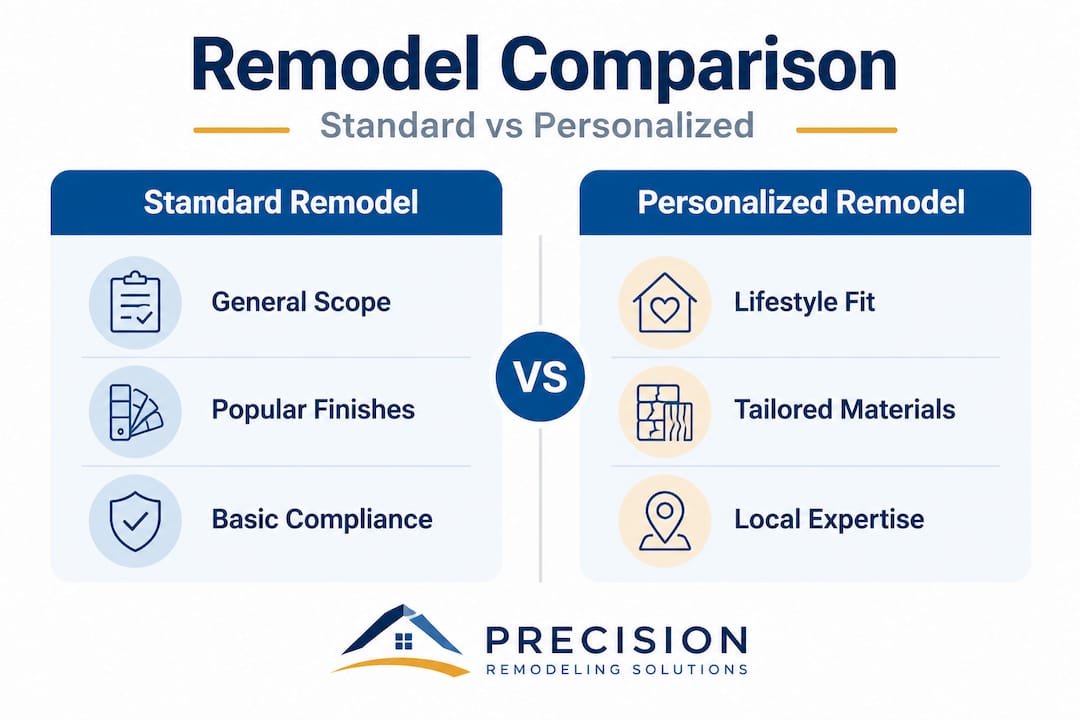
Here’s how a personalized process compares to a standard remodel:
| Factor | Standard remodel | Personalized remodel |
|---|---|---|
| Planning depth | General scope and budget | Lifestyle-based design and sequencing |
| Timeframe | Faster, less consultation | Longer pre-build phase, fewer mid-project surprises |
| Cost transparency | General estimate | Itemized with must-haves vs. upgrades |
| Mid-project changes | Common and costly | Minimized through thorough upfront planning |
| Long-term outcome | Updated appearance | Functional improvements that last decades |
Pro Tip: Always evaluate your tile, countertop samples, cabinet finishes, and paint colors inside the actual room at different times of day before making final decisions. Lighting conditions change how materials look, and a choice that seems safe in the morning can feel wrong by evening.
Human expertise matters most at two critical points: local code compliance during the permit phase and the final finishing details that make a project feel polished versus merely completed. No software substitutes for a contractor who has pulled permits in your specific township before.
Why one-size-fits-all remodeling nearly always falls short
Having walked through the process, it’s worth being direct about what happens when personalization gets skipped.
We see it regularly. A homeowner invests significantly in a kitchen remodel, choosing popular finishes from an online mood board, and ends up with a space that looks current but still doesn’t function for how they actually cook. The island is the wrong size. The pantry is in an awkward spot. The drawer configuration doesn’t match how they organize anything. It looks great in photos. It frustrates them every day.
Generic upgrades solve surface problems but miss the pain points that are unique to your household. The Block 2026 report makes this clear: functionality and multigenerational living are shaping renovations today, and real success comes from human-driven custom solutions tailored to each household’s unique needs, not replicated design packages.
This is especially true for homes in our region. A colonial in Doylestown has different structural considerations than a ranch in Newtown, which differs again from a split-level in New Castle. Applying a templated remodel plan to any of these homes produces predictable results: a project that finishes on a checklist but doesn’t feel like it belongs.
The right approach is to treat your contractor’s local knowledge as one of the most valuable resources in the project. A professional familiar with Bucks County home remodeling can identify hidden opportunities, flag potential structural issues early, and suggest value-adds that only someone familiar with local home styles and buyer expectations would know. That kind of insight doesn’t come from a design app or a national remodeling chain.
Embrace collaboration over copy-paste solutions. Ask your contractor why they’re recommending specific layouts or materials. Share your honest daily frustrations with the current space. The more real information you bring to the table, the better the outcome.
Ready to reimagine your space with personalized remodeling?
Inspired by the benefits of a personalized approach? Here’s how to take action locally.
At Precision Remodeling Solutions, we specialize in exactly this kind of work for homeowners in Lower and Central Bucks County and New Castle, Delaware. Whether you’re thinking about a full kitchen remodeling project designed around how your family actually cooks and gathers, a bathroom remodeling upgrade built for accessibility and daily comfort, or basement upgrades that transform unused square footage into purposeful living space, our team brings the local expertise and collaborative process your home deserves.
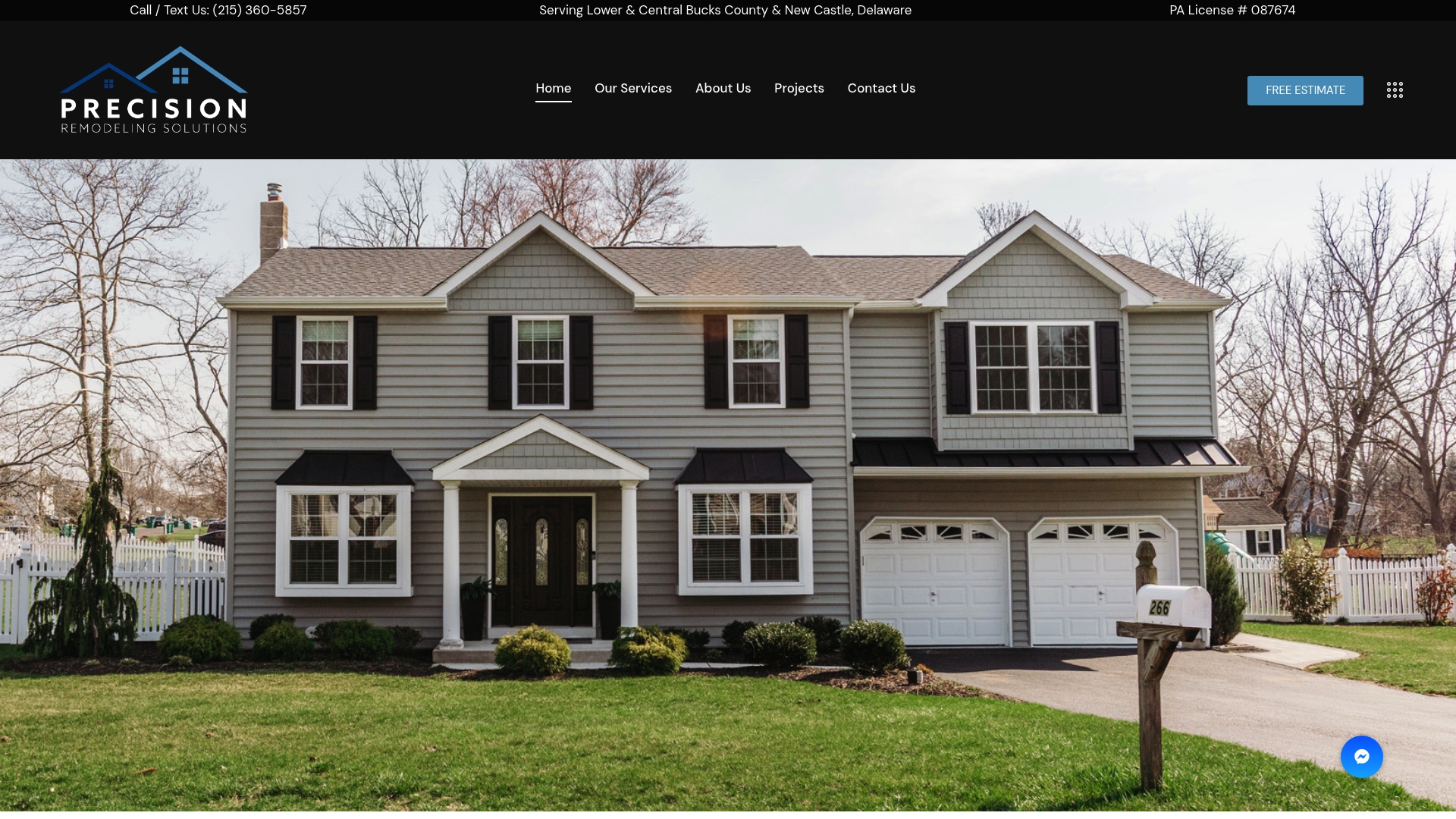
We start every project with a thorough consultation focused on your lifestyle, your priorities, and your budget. You’ll get a transparent, itemized estimate, on-site material evaluations, and a team that stays with you from the first planning conversation through the final walkthrough. Reach out today to schedule your free consultation and find out what a remodel designed specifically for your home and your family can look like.
Frequently asked questions
How is personalized remodeling different from standard remodeling?
Personalized remodeling tailors every aspect of the project to your family’s specific needs, prioritizing function and long-term adaptability over current trends or basic upgrades. The Block 2026 report confirms that 24% of renovators now use AI tools alongside human expertise to reach this level of customization.
What’s the average cost for a whole-home remodel in Bucks County?
Whole-home personalized remodels in Bucks County typically start at $250,000 or more, reflecting the region’s labor rates, material costs, and the level of customization involved.
How does AI play a role in home remodeling?
AI helps with layout visualization, material pairing, and planning sequences, but the Block 2026 report confirms that local human expertise remains essential for code compliance, on-site material testing, and the finishing decisions that determine overall quality.
What makes Bucks County and New Castle ideal for personalized remodeling?
Both regions combine strong property values, family-focused communities, and diverse housing stock ranging from historic colonials to mid-century ranches, all of which benefit significantly from customized renovations rather than generic updates.