TL;DR:
- Proper planning prevents most remodeling budget overruns and delays.
- Conducting surveys and assessments in advance uncovers hidden hazards and structural issues.
- Focusing on kitchens and bathrooms maximizes return on investment and long-term satisfaction.
Nearly half of all home remodels exceed their original budget, and 47% go over budget with 20% running more than $5,000 beyond what homeowners planned to spend. For residents in Lower and Central Bucks County and New Castle, Delaware, that kind of financial surprise can turn an exciting renovation into a stressful ordeal. The good news? Most of these overruns are preventable. A solid plan, made before a single wall comes down, is what separates a smooth remodel from a costly one. This guide walks you through exactly how to plan smarter, protect your budget, and get the most out of your investment.
Table of Contents
- Why jumping in without a plan puts your remodel at risk
- Budget clarity: Avoiding financial surprises in your remodel
- The role of surveys and assessments: Uncover issues before they derail your project
- How strategic planning maximizes ROI and satisfaction
- The overlooked reality: Why homeowners regret skipping planning—and how to avoid it
- Ready to start your remodel? Get expert guidance every step of the way
- Frequently asked questions
Key Takeaways
| Point | Details |
|---|---|
| Budget overruns are common | Almost half of remodels go over budget—careful planning prevents this costly mistake. |
| Surveys prevent surprises | Early assessments reveal hidden risks like code issues and lead, especially in older homes. |
| Strategic planning boosts value | Prioritize kitchens and baths for ROI and let detailed planning maximize your home’s worth and livability. |
| Professional guidance matters | Local expertise helps you avoid pitfalls and ensures your remodel stays on track. |
Why jumping in without a plan puts your remodel at risk
With the stakes set, let’s look at what happens when planning is neglected.
The excitement of a remodel can tempt you to move fast. You pick a contractor, choose some finishes, and imagine the finished space. But skipping the planning phase is where things go wrong, quickly. 47% of remodels exceed budget, and the primary cause is missing details that should have been addressed before work began.
Last-minute design changes are one of the biggest culprits. When you change your mind mid-project, contractors must redo work, reorder materials, and adjust schedules. That ripple effect costs real money. Misjudged timelines are another trap. If your kitchen remodel runs three weeks longer than expected, you’re eating out every night and feeling the pressure.
For homeowners in Bucks County and New Castle, there’s an extra layer of risk. Many homes in this region were built before 1978, meaning lead paint and asbestos are genuine possibilities. Older wiring, aging plumbing, and hidden structural issues are common too. You won’t see these problems until walls open up, and by then, you’re already paying for labor.
Proper remodel project management helps you anticipate these moments before they happen. Understanding the key renovation roles on your project also ensures the right professionals are involved from day one.
Here’s what poor planning typically leads to:
- Unexpected structural repairs that blow the budget
- Code violations discovered mid-project that halt work
- Permit delays from incomplete or incorrect applications
- Contractor conflicts from unclear project scope
- Material shortages from late or rushed ordering
“The most expensive mistake a homeowner can make is treating planning as optional. It is the foundation everything else is built on.”
Pro Tip: Schedule a professional walkthrough and survey before finalizing any project scope. It takes a few days and can save you thousands by revealing hidden mold, load-bearing walls, or outdated systems that need addressing.
Budget clarity: Avoiding financial surprises in your remodel
Financial surprises are a top concern, so let’s explore how planning secures your budget.
A remodeling budget isn’t just a number you pick and hope for. It’s a working document that should account for every phase of the project, from demolition to final trim. When you price out materials, finishes, and labor in advance, you gain control. You can make trade-offs before work starts, not after.
Experts recommend a 15-20% contingency on top of your planned budget to cover hidden issues. In older Bucks County and New Castle homes, that buffer isn’t optional. It’s essential. Finding mold behind a tile wall or corroded pipes under a floor mid-project can cost $3,000 to $10,000 or more, depending on the scope.
Here’s a snapshot of typical kitchen remodel costs and ROI in Bucks County:
| Project type | Estimated cost | Typical ROI |
|---|---|---|
| Minor kitchen refresh | $15,000 – $30,000 | 70-80% |
| Mid-range kitchen remodel | $40,000 – $80,000 | 60-75% |
| High-end kitchen remodel | $100,000 – $200,000+ | 50-65% |
| Bathroom update | $10,000 – $25,000 | 65-75% |
Follow these steps to build a reliable remodeling budget:
- Define your project scope in writing before talking to any contractor
- Get at least three detailed estimates to understand the real market rate
- Separate must-haves from nice-to-haves so you know where to cut if needed
- Add your 15-20% contingency as a non-negotiable line item
- Review your remodeling cost estimates with a professional before signing anything
Pro Tip: For large or multi-stage projects like a full kitchen plus basement finish, ask for phased estimates. Breaking costs into stages helps you stay in control and make informed decisions at each step rather than committing to everything at once.
The role of surveys and assessments: Uncover issues before they derail your project
Securing your finances is key. Now, see how you can avoid project-ending surprises before work even starts.
A pre-remodel survey might feel like an extra step, but it’s one of the most valuable investments you can make. Accurate surveys reveal hidden conditions that prevent costly delays and serious safety risks before structural changes begin.
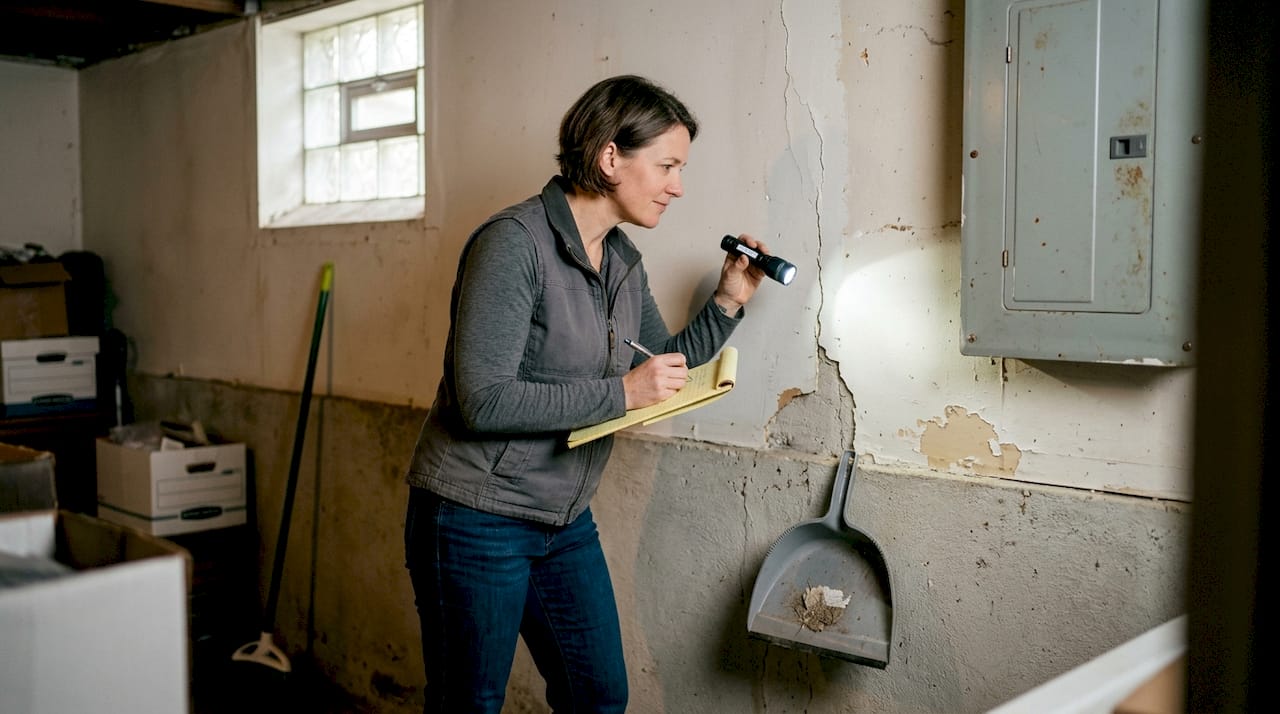
For homes built before 1978 in Bucks County and New Castle, Delaware, the risks are real. Lead paint, asbestos in insulation or floor tiles, outdated knob-and-tube wiring, and aging cast iron plumbing are all possibilities. Without a proper assessment, your contractor might open a wall and discover a problem that shuts everything down.
Here’s a direct comparison of what happens with and without a pre-remodel survey:
| Factor | Without a survey | With a survey |
|---|---|---|
| Hidden hazards | Discovered mid-project, costly to fix | Identified early, budgeted for properly |
| Code violations | May halt the project unexpectedly | Addressed before work begins |
| Structural surprises | Risk of expensive emergency repairs | Planned for in advance |
| Timeline accuracy | Often unreliable | More predictable and realistic |
| Overall project cost | Higher risk of overruns | Better controlled and forecasted |
Surveys also flag issues with load-bearing walls, which matters especially if you’re opening up a floor plan. They check for utility conflicts, drainage concerns, and structural weaknesses that could affect your renovation’s scope.
If you’re remodeling for a growing family, this step is especially critical. Adding rooms or reconfiguring space without knowing what’s inside your walls is a gamble you don’t need to take.
- Lead and asbestos testing in pre-1978 homes
- Structural integrity review for load-bearing changes
- Electrical and plumbing condition assessment
- Code compliance check for your local jurisdiction
- Soil and drainage review for additions or basement work
“A survey done before the project starts is always cheaper than a problem discovered after demolition.”
How strategic planning maximizes ROI and satisfaction
With hidden hurdles addressed, let’s see how thoughtful planning turns your investment into real value.
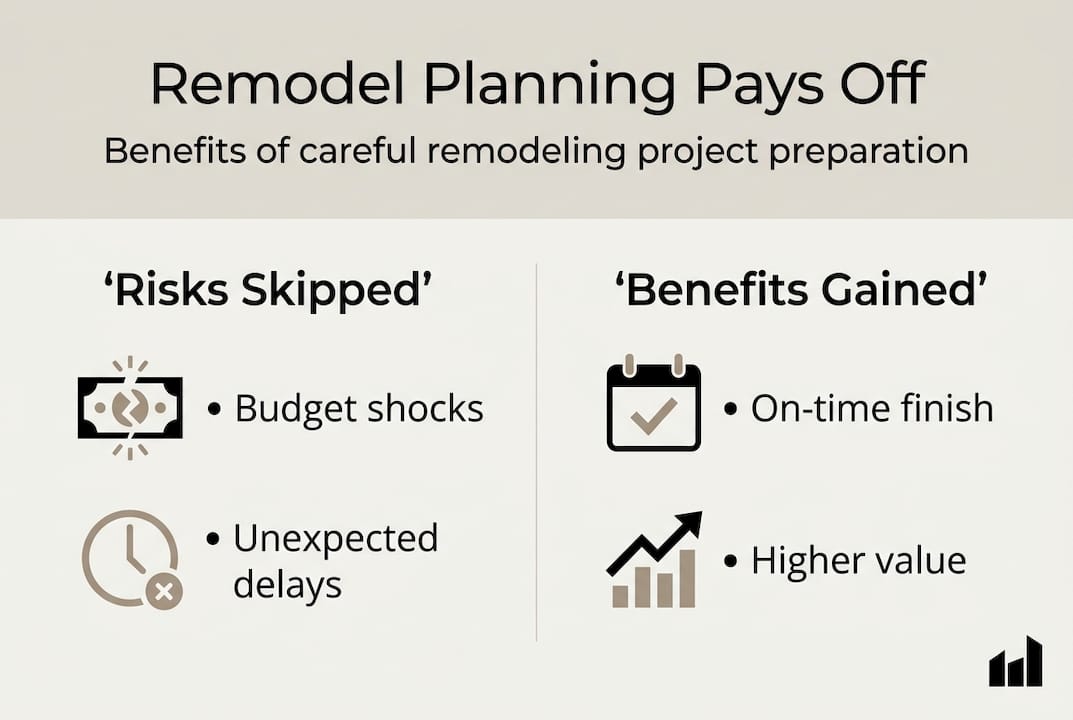
Planning isn’t just about avoiding problems. It’s also about making smart choices that increase your home’s value and your long-term satisfaction. When you approach your remodel strategically, you prioritize work that actually pays off.
Kitchen and bathroom remodels consistently deliver the highest return. In Bucks County, kitchen remodels deliver 60-80% ROI, with costs ranging from $40,000 to over $200,000 depending on scope. Buyers in this market pay attention to kitchens and baths above almost everything else. Planning helps you put your dollars where they’ll do the most good.
Here’s a look at how popular projects stack up for value:
| Project | Average cost | Value added | ROI estimate |
|---|---|---|---|
| Kitchen remodel (mid-range) | $55,000 | $38,000 | 69% |
| Bathroom remodel | $20,000 | $14,000 | 70% |
| Basement finishing | $30,000 | $18,000 | 60% |
| Home addition | $80,000 | $48,000 | 60% |
Exploring kitchen remodeling trends specific to Bucks County helps you choose upgrades that local buyers actually want. A solid kitchen makeover guide can also show you how to boost functionality without overspending. And for bathrooms, reviewing bathroom remodeling ROI data specific to this area helps you make targeted decisions.
Key planning strategies that boost ROI and satisfaction:
- Focus first on kitchens and bathrooms for the strongest financial return
- Avoid over-improving relative to your neighborhood’s market value ceiling
- Choose timeless finishes over trendy ones when resale is a goal
- Plan for energy-efficient upgrades that lower costs and attract buyers
- Work with a contractor who knows local buyer preferences and code requirements
The overlooked reality: Why homeowners regret skipping planning—and how to avoid it
You’ve seen the evidence. Now here’s what most guides don’t tell you, from a professional’s perspective.
Here’s what we see repeatedly: homeowners remember how much they love their finished kitchen but forget the three weeks of tension, the emergency call about a rotted subfloor, and the $8,000 that came out of savings because the contingency wasn’t there. The excitement of the result fades the memory of the chaos. But the next time they remodel, they plan differently.
Older homes in Bucks County and New Castle, Delaware bring real hazards. Pre-1978 properties may contain asbestos and lead that professional planning teams know how to handle safely and cost-effectively. Material costs also fluctuate. A project priced in January can look very different by March if supply chains shift. Phased estimates account for this.
Our strong advice: invest in choosing the right contractor from the start, especially for complex or historic properties. A professional team doesn’t just execute work. They help you plan for what you can’t see yet.
Successful remodels are rarely accidents. They almost always trace back to one thing: someone took the time to plan carefully before anything else happened.
Ready to start your remodel? Get expert guidance every step of the way
To put all this expert advice into action, here’s how you can move forward with confidence.
The most successful remodeling projects in Bucks County and New Castle don’t happen by chance. They start with a clear plan, the right team, and guidance from professionals who know the local market, the codes, and the common pitfalls.
At Precision Remodeling Solutions, we’re here to help you build that foundation. Whether you’re exploring kitchen remodeling services or considering a full bath upgrade with our bathroom remodeling solutions, we walk you through every decision. Review our remodeling process timeline to understand exactly what to expect from start to finish. Reach out today for a free estimate and let’s build something you’ll love for years to come.
Frequently asked questions
How much contingency should I add to my remodeling budget?
Plan for a 15-20% contingency to cover hidden issues like mold, lead, or unexpected repairs, especially in older homes in Bucks County and New Castle.
Why are surveys and assessments important before remodeling?
Surveys uncover hidden conditions including code violations, structural problems, and health hazards, making sure your remodel is safe and compliant before a single tool is lifted.
Which remodeling projects offer the best return on investment?
Kitchen and bathroom remodels consistently bring the highest ROI, with Bucks County kitchens returning 60-80% of the project cost in added home value.
What pitfalls catch most homeowners off guard during remodeling?
Most surprises trace back to unplanned issues like lead, asbestos, or code violations. Professional planning with an experienced team, as recommended for older homes, prevents most of these situations.
Does planning really help avoid delays and headaches?
Yes. Detailed planning identifies risks early, sets realistic timelines, and keeps your project moving so you’re not scrambling to solve problems that could have been spotted weeks earlier.