TL;DR:
- Home renovation trends in 2026 favor warm, layered textures and defined, private spaces over open-concept designs.
- Privacy, flexibility, and wellness features like spa bathrooms and home gyms are highly popular.
- Planning and budgeting realistically, considering neighborhood context, and hiring professionals are crucial for success.
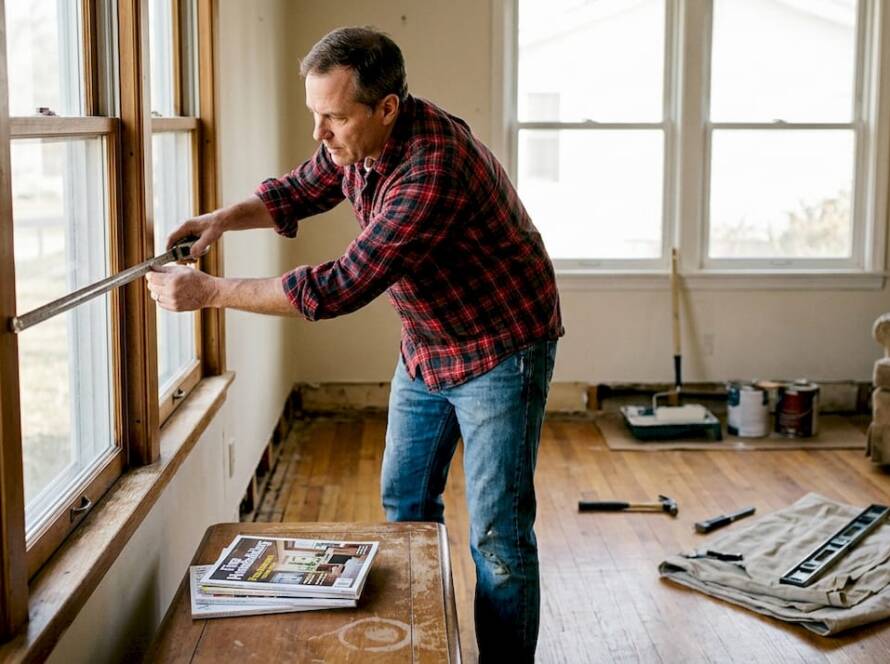
Renovation priorities have shifted more dramatically in the past two years than in the previous decade combined. If you still picture open-concept living rooms, all-white kitchens, and cool gray paint when you think “modern home,” you’re working from an outdated blueprint. Across Lower and Central Bucks County and New Castle, Delaware, homeowners are asking for something different: spaces that feel warmer, quieter, and more intentional. This guide walks you through what’s actually trending in 2026, what it costs, and how to make smarter decisions for your specific home and neighborhood.
Table of Contents
- The evolution of modern home renovation
- Top renovation trends redefining homes in 2026
- Designing for privacy, comfort, and flexibility
- Wellness amenities and their impact on home living
- Planning, budgeting, and hiring for modern renovations
- What most homeowners overlook about modern renovation trends
- Ready to bring modern renovation trends to your home?
- Frequently asked questions
Key Takeaways
| Point | Details |
|---|---|
| Privacy-focused layouts | Modern homes use zoned spaces over full open concepts for privacy and noise control. |
| Warm, earthy colors | Contemporary renovations now favor rich, natural color palettes instead of cool grays. |
| Wellness amenities rising | Home gyms and spa-inspired baths are highly sought for daily comfort and value. |
| Professional guidance pays off | Most homeowners rely on experts for significant remodeling projects to ensure quality and timeliness. |
| Personalize for your home | The best results balance national trends with local context and your family’s actual needs. |
The evolution of modern home renovation
Now that you know a transformation is underway, let’s break down how modern home renovation has evolved and what that means for Bucks County and Delaware homeowners.
“Modern” used to mean minimal. Clean lines, neutral palettes, open floor plans. In 2026, modern means something richer: layered textures, defined zones, and spaces designed around how people actually live. The shift isn’t just about style preferences. It reflects real changes in how families use their homes, from remote work and multigenerational living to a greater focus on mental health and comfort.
One of the most significant layout changes is the move away from open-concept toward more defined, zoned spaces that offer privacy and noise control. Think pocket doors, acoustic panels, and glass partitions. These tools let natural light flow through a home while still creating quiet, purposeful rooms.
“The era of one giant shared space is giving way to rooms that serve distinct purposes without feeling closed off or disconnected.”
This matters especially in Bucks County and New Castle, where many homes carry historic architectural footprints. A 19th-century colonial in Doylestown or a mid-century rancher in Wilmington wasn’t built around the open-concept model. Working with the existing structure, rather than gutting it for trends, is often the smarter path.
The push for remodeling for family expansion is another major driver. Multigenerational households now exceed 20% of all households nationally, and Bucks County and New Castle are no exception. Families are adding in-law suites, private entry points, and separate living areas to accommodate aging parents or adult children returning home.
Here’s what’s shaping modern renovation in this region:
- Privacy-focused layouts with flexible zones
- Multigenerational additions and suite conversions
- Historic home upgrades that respect original character
- Wellness-driven spaces replacing purely decorative rooms
- Warm, organic materials replacing sterile minimalism
Top renovation trends redefining homes in 2026
With the broader context defined, let’s get specific with the top features and stylistic choices dominating renovations right now.
Color is the most visible shift. Warm, earthy palettes, including terracotta, ochre, clay, olive, and rich browns in wood, stone, and fabrics, are replacing the cool grays and whites that dominated the previous decade. These tones create a sense of warmth and calm that white kitchens simply can’t match. Paired with natural wood cabinetry and matte black or unlacquered brass hardware, they give kitchens and bathrooms a grounded, timeless feel.
Material choices are evolving just as fast. Large-format stone slab backsplashes that run from counter to ceiling are one of the most-requested upgrades in kitchens right now. Why? Fewer grout lines mean easier cleaning, a more cohesive visual flow, and a luxury appearance that smaller tiles can’t replicate. This is especially popular in kitchen renovation ideas for 2026 where homeowners want high impact without a full layout change.
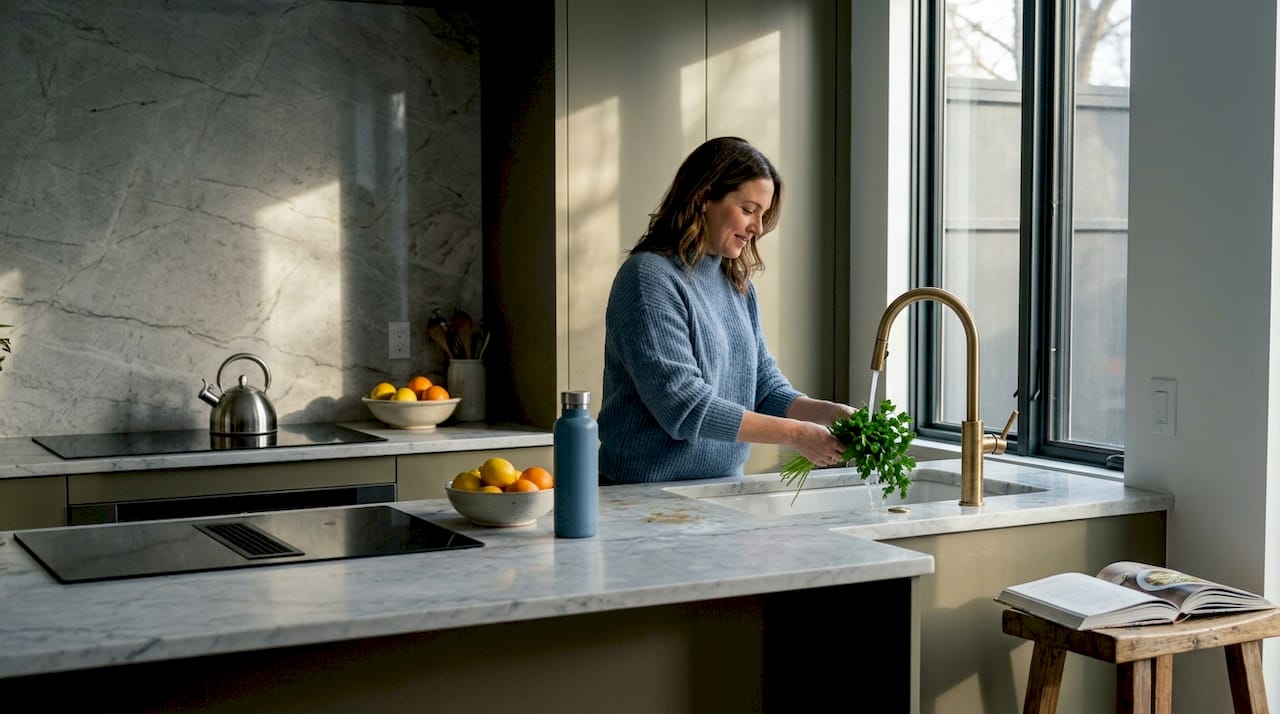
Bathrooms are following the same logic. Spa-inspired finishes, soaking tubs, and modern bathroom remodeling trends like heated floors and rain showers are showing up in homes at every price point, not just luxury builds.
Here’s a quick comparison of what’s out versus what’s in for 2026:
| What’s fading | What’s trending in 2026 |
|---|---|
| Cool gray paint and white subway tile | Warm terracotta, clay, and ochre tones |
| All-white open kitchens | Earthy wood cabinets with stone slab accents |
| Farmhouse sinks as a focal point | Integrated, seamless sink and counter combos |
| Shiplap everywhere | Textured plaster and limewash finishes |
| Open-concept main floors | Zoned living with flexible partitions |
| Chrome fixtures | Matte black and unlacquered brass hardware |
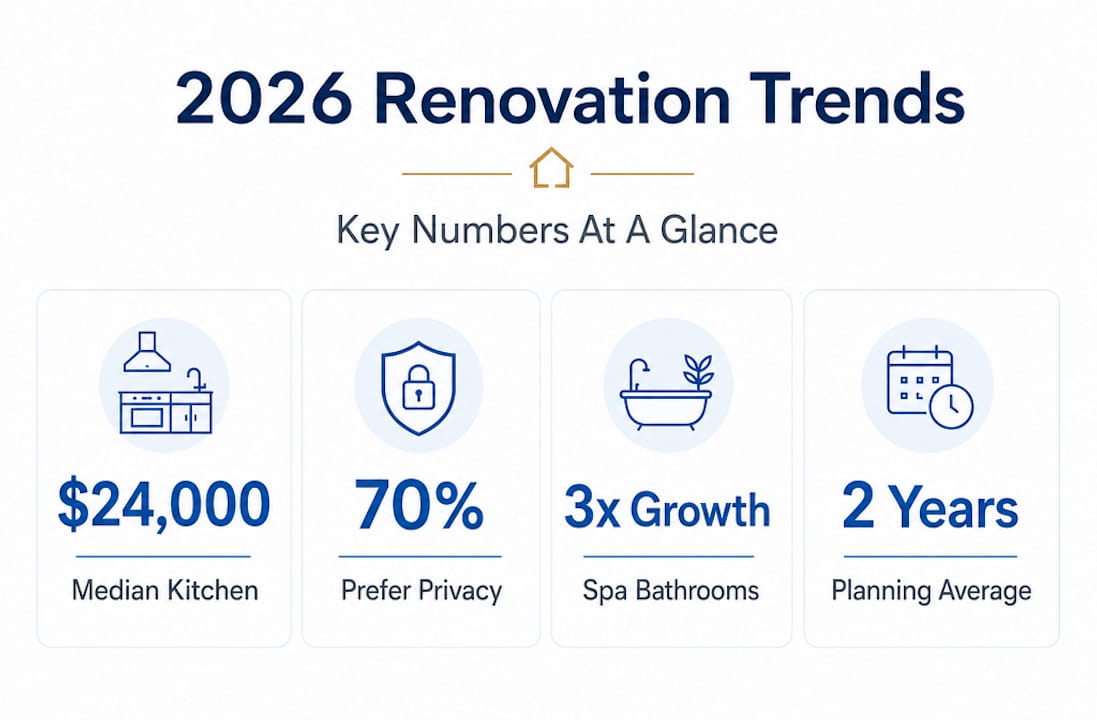
Stat callout: The median kitchen spend reached $24,000 in 2025, up from $22,000 the year before, reflecting how seriously homeowners are investing in this space. Kitchens remain the single most financially impactful room to renovate.
Designing for privacy, comfort, and flexibility
Now that we’ve covered style shifts, let’s look at how layout and privacy are being addressed with smart, adaptable designs.
The demand for defined spaces isn’t just a trend. It’s a practical response to how life has changed. When multiple family members work from home, attend virtual school, or need quiet for medical appointments, a single shared room simply doesn’t work anymore. The shift toward zoned spaces using pocket doors, acoustic panels, and glass partitions is one of the most functional changes you can make to any floor plan.
For homeowners in Bucks County, this often means working within older home layouts. Many properties in New Hope, Doylestown, and surrounding areas have smaller, compartmentalized rooms by design. Rather than opening them up, the modern move is to enhance that existing structure with thoughtful upgrades.
Practical ways to add privacy and flexibility without major construction include:
- Pocket doors: They disappear into walls when open and add a true room divider when closed. No floor space lost to door swings.
- Acoustic panels: Available in dozens of styles and fabric options, these absorb sound and can double as wall art.
- Glass partitions: Full-height glass walls or partial dividers bring light between spaces while creating a visual and acoustic boundary.
- Flexible room designations: A guest room that doubles as a home office, or a basement that converts from a gym to a media room.
- Built-in storage walls: These serve as functional dividers between zones without the permanence of drywall.
For remodeling for multi-generational homes, the focus is often on creating a secondary suite with its own entrance, bathroom, and kitchenette. This preserves privacy for everyone in the household while keeping the family under one roof.
Pro Tip: If you’re torn between an open feel and acoustic privacy, consider frameless glass partitions with a thick laminated panel. They block significantly more sound than standard glass while keeping the visual openness you want.
Wellness amenities and their impact on home living
Just as privacy has become essential, wellness is now a must-have, even in modest homes. Let’s see how these features are being prioritized.
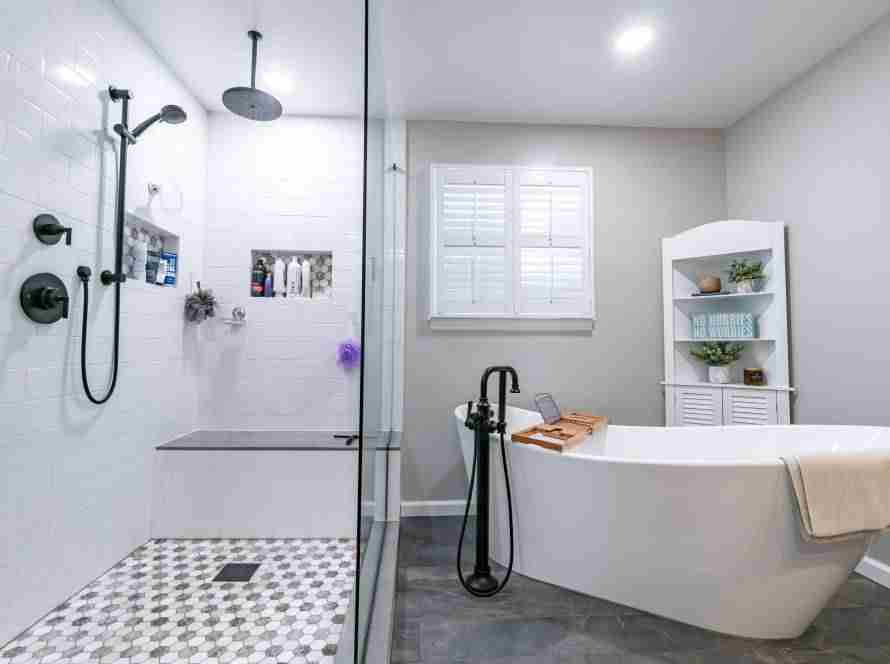
Wellness features are no longer reserved for high-end custom builds. They’re showing up in mid-range remodels across Bucks County and New Castle as homeowners recognize the connection between their physical environment and their daily wellbeing. Wellness-focused amenities now include home gyms, saunas, meditation rooms, spa-like bathrooms with heated floors, rain showers, and soaking tubs.
Here’s why this matters beyond the obvious comfort factor: these features have real resale value. Buyers in 2026 are actively filtering for homes with dedicated wellness spaces, and a well-designed home gym or spa bath can meaningfully differentiate your property in a competitive market.
The most commonly requested wellness upgrades, in order of popularity and return:
- Spa-style primary bathroom: Heated floors, freestanding soaking tub, and a walk-in rain shower. These bathroom wellness upgrades consistently rank as the top-requested bathroom feature.
- Home gym or fitness room: Often created from a basement, spare bedroom, or garage conversion. Rubber flooring, mirrored walls, and proper ventilation are the key investments.
- Sauna: Both traditional Finnish-style and infrared saunas are gaining traction. Infrared models are smaller and easier to install in existing spaces.
- Meditation or quiet room: A soundproofed room with soft lighting, comfortable flooring, and minimal visual clutter. Often doubles as a reading room.
- Air quality upgrades: Whole-home air purifiers and humidity control systems are increasingly tied to wellness renovations.
Here’s a practical cost and popularity reference for planning:
| Wellness feature | Estimated cost range | Popularity trend |
|---|---|---|
| Spa bathroom (heated floor, soaking tub) | $15,000 to $40,000 | Very high |
| Home gym (basement or room conversion) | $5,000 to $20,000 | High |
| Infrared sauna | $3,000 to $10,000 | Growing rapidly |
| Meditation or quiet room | $2,000 to $8,000 | Moderate |
| Whole-home air quality system | $1,500 to $5,000 | High |
Pro Tip: You don’t need a large room to create a meaningful wellness space. A 10 by 10-foot spare bedroom can accommodate a compact infrared sauna, a yoga mat area, and a small sound system. Thoughtful layout and good ventilation matter more than square footage.
Planning, budgeting, and hiring for modern renovations
With ideas in mind, the next question is “What’s involved in making it happen?” Here’s what you need to know before starting.
Understanding the real numbers before you commit is the single best thing you can do to reduce renovation stress. The kitchen median spend reached $24,000 in 2025, up from $22,000 the previous year. A primary bathroom major remodel runs around $30,000, while high-end bathroom renovations can exceed $70,000. The overall median renovation spend in 2025 was $20,000, with homeowners planning to invest $15,000 in 2026.
These numbers reflect real projects, not showroom fantasies. They also tell you something important: renovation spending is going up, not down, because homeowners understand the long-term value.
Timeline is where many homeowners underestimate the process. Planning takes 7 to 8 months, and construction averages another 8 months for major projects. That means a full kitchen or bathroom remodel can span over a year from the first conversation to the finished space. Starting early, gathering inspiration, getting estimates, and locking in your contractor timeline are all part of understanding the remodeling timeline.
“91% of homeowners hire professionals for major renovations. Among those, 29 to 37% work with general contractors who manage the full scope, from design to final walkthrough.”
Here’s a practical checklist to prepare for your renovation:
- Set a realistic budget with a 15 to 20% contingency buffer for surprises.
- Define your priorities: what’s non-negotiable versus what’s nice to have.
- Research local contractors and ask for references from recent projects.
- Request detailed written estimates before signing anything.
- Confirm permits are included in the contractor’s scope of work.
- Align on a start date and build a communication plan.
A good remodel project management guide will walk you through each of these steps in detail, which is especially helpful if this is your first major renovation. For a full breakdown of what different projects cost in your area, estimating remodeling costs is a great place to start building your planning spreadsheet.
What most homeowners overlook about modern renovation trends
We’ve covered the trends and logistics, but here’s the critical lesson most guides overlook.
Chasing national trends without filtering them through your specific home, neighborhood, and lifestyle is one of the most common and costly renovation mistakes we see. A terracotta kitchen looks stunning in a Soho loft feature on a design blog. In a 1,200-square-foot rancher in a mid-price neighborhood in New Castle? It may not deliver the resale return you’re expecting.
This isn’t a warning against beautiful renovations. It’s a reminder that the best renovations are those that fit you and your home. Over-improving relative to your neighborhood’s average sale price is a real phenomenon. Spending $80,000 on a kitchen remodel in an area where comparable homes sell for $280,000 rarely adds $80,000 in equity.
The homes in Bucks County and Delaware that renovate most successfully tend to honor the original character of the structure. A colonial in New Hope benefits from renovations that highlight its period details rather than strip them out. A mid-century home in Wilmington looks better with curved, organic shapes than sharp-edged modern fixtures that clash with its bones.
Careful planning for success means asking a harder set of questions before you start: Who lives here? How long do you plan to stay? What does your neighborhood support in terms of resale? What does your home’s architecture actually call for?
The most enduring renovation decisions aren’t trend-driven at all. They’re rooted in comfort, flexibility, and a genuine understanding of how your family uses space. Trends can inspire your choices, but your real life should make them.
Ready to bring modern renovation trends to your home?
Now that you have a clear understanding and practical insights, here’s how you can take the next step toward transforming your home.
Whether you’re thinking about a full kitchen overhaul or a bathroom refresh that finally feels like a spa retreat, the right professional partner makes all the difference. At Precision Remodeling Solutions, we work with homeowners across Lower and Central Bucks County and New Castle, Delaware to bring thoughtful, well-executed renovations to life.
Explore our kitchen remodeling services to see what a modern kitchen upgrade can look like for your specific home. Our bathroom remodeling service page walks through everything from layout planning to fixture selection. And if you’re still in the early stages of deciding what’s possible, our property renovation guide gives you a strong foundation. Request your free estimate today and let’s talk about what your home could become.
Frequently asked questions
What colors are trending for home renovations in 2026?
Warm, earthy tones like terracotta, ochre, clay, olive, and rich browns are replacing the cool grays and whites that dominated interiors for most of the past decade.
How much does a modern kitchen or bathroom remodel cost?
The kitchen median spend is $24,000, while a major bathroom remodel typically starts around $30,000 and can exceed $70,000 for high-end finishes and custom layouts.
How long does a typical renovation take?
Planning takes 7 to 8 months and construction averages another 8 months, so major renovations often span more than a year from start to completion.
Are wellness amenities like home gyms and spa baths really popular now?
Yes. Wellness-focused amenities including home gyms, saunas, and spa-style bathrooms with heated floors and rain showers are among the most requested renovation features in 2026, across a wide range of budgets.
Is it better to hire professionals for home renovations?
Absolutely. 91% of homeowners hire professionals for major renovation projects, and working with a licensed general contractor ensures proper permitting, quality control, and a much smoother overall experience.
Recommended
- Kitchen Renovation Ideas: Trends, Tips & ROI for 2026 – Precision Remodeling Solutions
- Types of home renovations: 5 best upgrades for 2026 – Precision Remodeling Solutions
- Top Remodeling Trends That Add Value to Your Home
- Modern Bathroom Remodeling Trends for Warminster Homes – Precision Remodeling Solutions